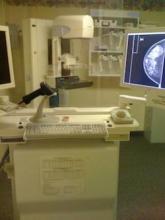
Frederick Memorial Hospital (FMH) was the first healthcare provider in Frederick County, Maryland, to offer digital mammography with the addition of Hologic Selenia digital mammography. In 2010, FMH once again partnered with Hologic for breast biopsy technology at its state-of-the-art women’s center – a partnership that has led to greater patient comfort and efficiency without sacrificing diagnostic confidence.
Federal incentive programs have been underway for just over a year to encourage adoption of electronic health records (EHR), but how this relates to radiology is not much clearer now than at the programs’ start. Part of the Health Information Technology for Economic and Clinical Health (HITECH) Act, the programs offer Medicare/Medicaid incentives to eligible professionals and eligible hospitals for adopting certified EHR technology and utilizing that technology in a meaningful way.


Breast imaging centers, like many other users of imaging systems, are jumping feet-first into digital technology. The conversion process from film to digital doesn’t have to be difficult, and digital systems offer many benefits to both users and patients, from improved workflow and reduced storage space requirements, to superior image quality.


Several positron emission tomography (PET) imaging agents are being developed to visualize Alzheimer’s disease in the living brain to accurately diagnose patients and develop effective treatments. The only way to confirm the presence of the disease currently is by examining post-mortem samples of the patient’s brain. Experts predict these agents may soon receive U.S. Food and Drug Administration (FDA) clearance.


Radiation oncologists and most clinicians involved in the field prefer to spend their time treating patients, not sitting in front of a computer. Yet today more than ever, they are being tasked with spending precious time entering data and maintaining patient records.


Speech recognition has achieved strong adoption in radiology over the past several years, as many hospitals and groups have sought to preserve the convenience and high value of narrative dictation while simultaneously streamlining their production process. The benefits have been clear and centered on improvements in reporting efficiency, namely, substantial report turnaround time reduction, cost savings and integration with picture archiving and communications systems (PACS) workflow.


In radiation therapy, the use of rotational beam delivery provides greater flexibility in shaping radiation dose distributions.  When rotational delivery is combined with intensity modulated radiation therapy (IMRT), highly conformal dose distributions can be achieved with a rapid falloff in radiation damage outside of the target.


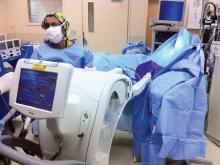
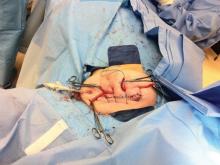
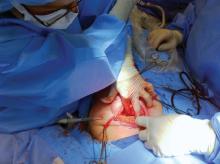
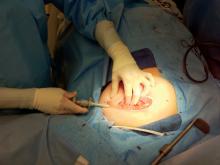
Intraoperative radiation therapy (IORT) for breast cancer is emerging as a newer alternative to whole-breast radiation therapy and accelerated partial breast irradiation (APBI).


Since the advent of computed tomography (CT) scans in the early 1970s, this technology has become increasingly critical to the standards of care.  Over the same time, manufacturers have continuously delivered innovative advances to CT technology, including reductions in medical radiation, while maintaining crisp, clear images.


Estimates say up to 75 percent of patients with a pacemaker will need magnetic resonance imaging (MRI) over the course of their lifetime. Yet as the industry has long been aware, MRIs can cause a number of adverse reactions when conducted on patients with a pacemaker.


Subscribe Now