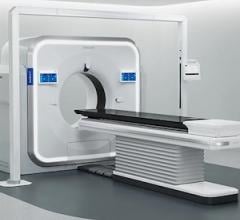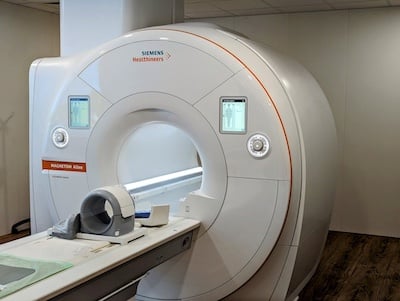
Raritan KVM, a Siemens Healthineers partner, enables vendor-neutral remote scanning access across multi-modality imaging equipment. (Photo: Legrand)
Hospitals across the U.S. are facing a growing crisis that hits right at the heart of patient care: There simply aren’t enough trained imaging technologists to keep up with demand. Every day, MRI and CT scan backlogs grow longer, creating ripple effects that delay diagnoses, strain staff and affect patient outcomes.
Recruiting and training new talent is vital, but that’s a long-term investment. Surprisingly, a more immediate solution has been hiding in plain sight. It’s a technology that’s been around for years in IT: the KVM switch.
A staple of data centers, KVM (short for keyboard, video and mouse) technology is being reimagined for healthcare. It’s now helping hospitals centralize their imaging operations, maximize limited staff resources and create a smarter, more resilient care model.
Rethinking the Diagnostic Workflow
Here’s the problem in simple terms: Technologists have traditionally been tethered to one location at a time. They needed to physically move from one scanner to another, sometimes between different wings or even different facilities. That constant travel adds up to a lot of wasted time and idle equipment.
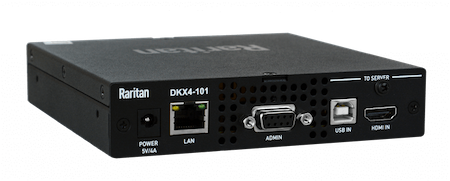
With KVM-over-IP, that model flips completely. Picture a “hub-and-spoke” setup: one experienced technologist works from a single control room, remotely operating several scanners located across a hospital campus or even in the next town.
The benefits are immediate:
- Improved equipment use: no more wasted time walking between machines. One technologist can keep several scanners running, dramatically increasing throughput.
- Faster technical support: if a scanner freezes, remote KVM access lets IT staff jump in instantly to troubleshoot, instead of waiting hours for an on-site visit.
- Streamlined onboarding and training, with remote connections enabling live communication and guidance without staff travel.
Hospitals that have deployed KVM systems often find the math compelling; the technology can pay for itself after just a few additional scans that would’ve otherwise been lost to downtime.
The Unsung Hero of Interoperability
Healthcare systems are notorious for their patchwork of proprietary devices — every manufacturer has its own closed ecosystem. That creates major challenges when trying to connect with both older scanners and newer ones or merge different facilities after an acquisition.
KVM technology sidesteps all that. It works at the hardware level, meaning it doesn’t matter who made the scanner or what software it runs. Think of it as a universal translator for imaging systems. Whether it’s a GE MRI in one hospital or a Siemens CT in another, KVM creates a seamless bridge between them, all through secure, high-definition, low-latency video over standard Ethernet networks.
Built-In Security and Training
Security is a non-negotiable in healthcare, and here’s where KVM really shines. Unlike cloud-based solutions that store data, KVM switches act as pass-throughs — no patient information is ever stored on the device. Modern KVM-over-IP systems also encrypt all data in transit, keeping hospitals fully compliant with HIPAA and other privacy regulations.
There’s also a human upside. KVM doesn’t replace technologists — it empowers them. Rural hospitals and mobile scanning units can have a junior tech on-site, while a senior technologist oversees or even operates the scanner remotely from a central hub.
A Smarter, More Connected Future
Between staff shortages, rising demand, and the growing complexity of imaging technology, healthcare needs scalable solutions — not stopgaps. By adopting proven KVM technology, hospitals are finding a way to extend human expertise where it’s needed most.
It’s a quiet transformation, but one that’s already modernizing how care is delivered. Every scan completed faster, and every diagnosis made sooner, brings the system one step closer to what patients deserve: timely, expert-driven care, no matter where they live.

Paul Mott is Product Management Director for Legrand.
For more information, please visit https://www.legrand.us/

 October 08, 2026