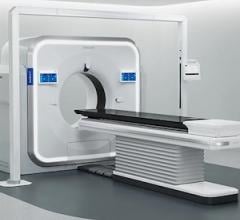
In a newly-published study, American Cancer Society researchers found that less than one-in-five eligible individuals in the United States were up-to-date (UTD) with recommended lung cancer screening (LCS), and stress initiatives to expand access to healthcare and screening facilities to improve early detection and treatment for lung cancer.
June 18, 2024 — A new study led by American Cancer Society (ACS) researchers shows less than one-in-five eligible individuals in the United States were up-to-date (UTD) with recommended lung cancer screening (LCS). The screening uptake was much lower in persons without health insurance or usual source of care and in Southern states with the highest lung cancer burden. The findings of the study, “Progress in Lung Cancer Screening Adoption,” were published this month in JAMA (Journal of the American Medical Association) Internal Medicine.
“Although lung cancer screening rates continue to be considerably low, this research does show an improvement over screening rates reported for previous years,” said Priti Bandi, PhD, scientific director, cancer risk factors and screening surveillance research at the American Cancer Society. “But we clearly, still have a long way to go. We must push harder to move the needle in the right direction.”
The United States Preventive Services Task Force (USPSTF) and the ACS recommend annual LCS with low-dose computed tomography (CT) in eligible high-risk individuals for early detection of the disease. High risk individuals, according to the USPSTF, are 50-80 years old, with a 20 pack-year or greater smoking history and currently smoking or quit less than 15 years ago.
For the study, researchers analyzed data from the 2022 Behavioral Risk Factor Surveillance System, a cross-sectional, population-based, nationwide state-representative survey. Self-reported UTD-LCS (defined as past-year) prevalence according to the 2021 USPSTF eligibility criteria was studied in respondents 50-79 years of age. Adjusted prevalence ratios (aPR) and 95% confidence intervals compared differences.
Lung Cancer Screening Study Highlights
Study results showed among 25,958 sample respondents eligible for LCS, 61.5% reported currently smoking, 54.4% were male, 64.4% were ages 60 years of age or older, 78.4% were White persons, and 53% had a high-school education or less. UTD-LCS prevalence was 18.1% overall, but varied 3-fold across states (range, 31% to 9.7%) with relatively lower levels in Southern states characterized by a high lung cancer mortality burden. UTD-LCS prevalence increased with age (50-54 years old: 6.7% vs. 70-79 years old: 27.1%) and number of comorbidities (≥3: 24.6% vs. none: 8.7%). Just 1 in 20 persons without insurance or a usual source of care were UTD with LCS, but state-level Medicaid expansions (aPR: 2.68, 95% CI, 1.30, 5.53) and higher screening capacity levels (high vs. low, aPR: 1.93, 95% CI: 1.36, 2.75) were associated with a higher UTD-LCS prevalence.
“Early detection with LCS is critical because lung cancer symptoms often don't appear in the early stages, but when diagnosed and treated early, survival is markedly improved,” added Bandi. “National and state-based initiatives to expand access to healthcare and screening facilities are needed to continue to improve, prevention, early detection and treatment for lung cancer to help save lives.”
The American Cancer Society’s advocacy affiliate, the American Cancer Society Cancer Action Network (ACS CAN), continues to work at all levels of government to advocate for access to lung cancer screenings.
“This research further amplifies the critical need for reducing all barriers to access to care to ensure people are able to immediately utilize preventive and early detection screenings at no cost,” said Lisa Lacasse, president of the ACS CAN. “Expanding Medicaid in the 10 states that have yet to do so would significantly improve access to these lifesaving screenings and decrease lung cancer deaths, as well as eliminating patient costs for screening and follow-up tests by all payers, bringing us closer to ending cancer as we know it, for everyone.”
Other ACS researchers contributing to the study include Jessica Star, Tyler Kratzer and Dr. Robert Smith. Ahmedin Jemal, DVM, PhD, is senior author of the research. Jemal is the Senior Vice President, Surveillance & Health Equity Science at ACS.
According to the American Lung Association (ALA), about every two minutes, someone in the U.S. is diagnosed with lung cancer, and every day, lung cancer takes the lives of more than 357 persons. For its part, ALA releases an annual report, “State of Lung Cancer,” last issued Nov., 2023. This report provides unique information for federal and state officials, policymakers, researchers and those affected by lung cancer and emphasizes the need for resources and action to decrease the toll of lung cancer across the country, according to its authors. They add: As the American Lung Association works toward defeating lung cancer, the goal of the “State of Lung Cancer” report is to empower the public to learn more about lung cancer in their state. Individuals can join the Lung Association’s efforts to end lung cancer by asking their member of Congress to co-sponsor H.R. 4286, the Increasing Access to Lung Cancer Screening Act, which aims to improve access to and raise awareness of lung cancer screening for those at high risk.
More information: www.cancer.org, www.lung.org
Reference:
JAMA Intern Med. Published online June 10, 2024. doi:10.1001/jamainternmed.2024.1673

 October 08, 2026