Image courtesy of Carestream Health
International Radiology Day (IDoR) was November 9 — an annual celebration that commemorates Wilhelm Conrad Röntgen’s discovery of the X-ray in 1895 — and I was thrilled to see a flurry of tweets about the value of this sometimes under-appreciated specialty. Not only were individual clinicians and teams given shoutouts, but also the profession as a whole was recognized as the progressive and advanced specialty it is. Practicing radiologists work every day to build safer, more efficient diagnostic and treatment practices, yet our work isn’t as well-known or viewed as broadly as that of some of our provider peers.
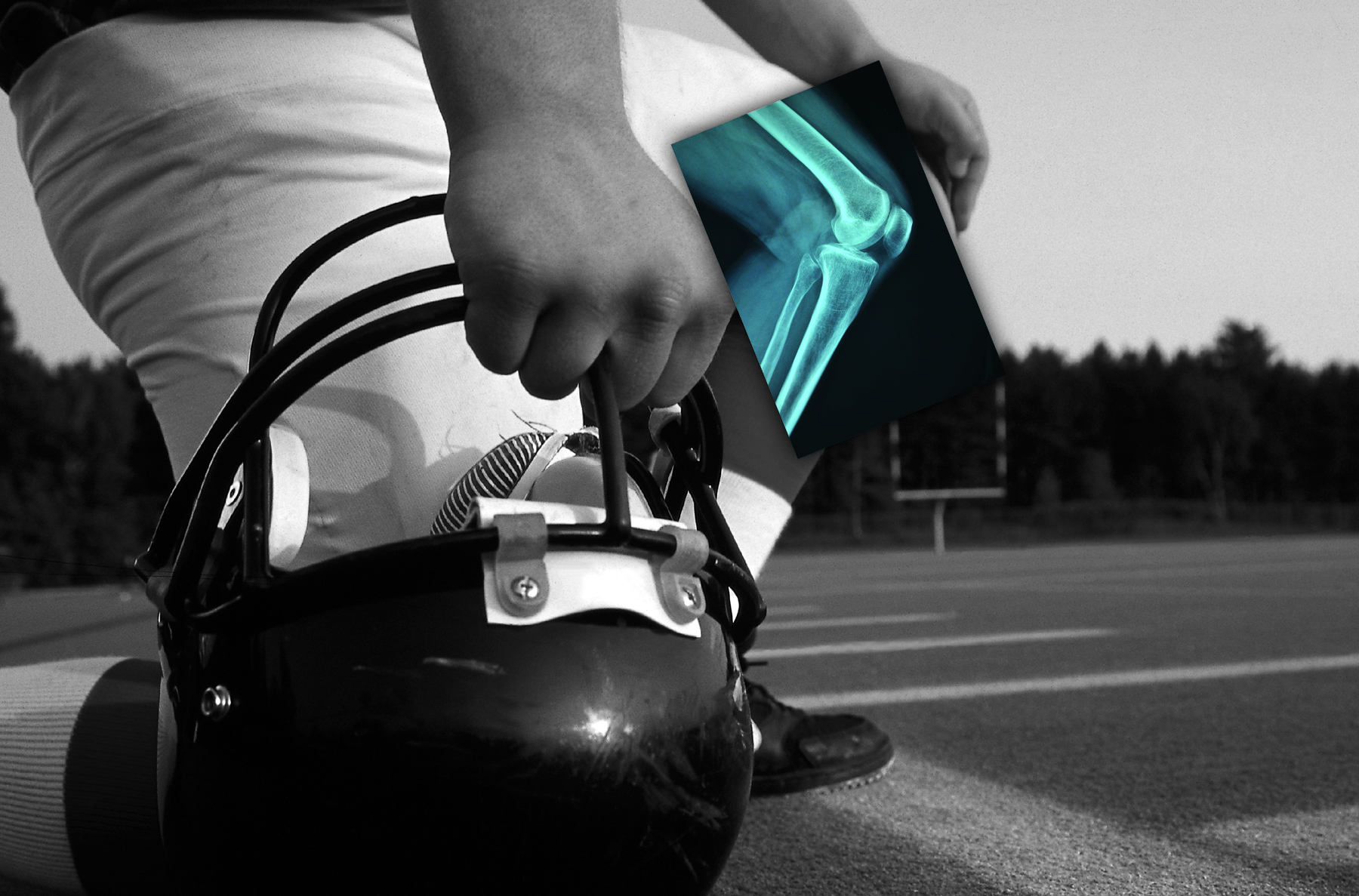
Given that the theme of this year’s International Radiology Day was sports radiology, I feel especially moved to speak about my professional experience. I have the distinct honor and pleasure of working with elite athletes in Florida through my position at the University of South Florida (USF). Whether it’s a college championship, a Tampa Bay Buccaneers game, or even the Super Bowl, when an emergency occurs on the field in Tampa, athletes are taken by ambulance to imaging facilities and sports radiologists, like myself, are some of the first clinicians to see the injured athletes. It’s our job to help guide the provider team toward an accurate diagnosis. The stakes are incredibly high, because if we get it wrong an athlete’s return could be delayed or even worse, their career may be over.
While conditioning and training help the body adjust and perform at peak levels of physical activity, it’s widely acknowledged within sports that some injuries are unavoidable, and we must be prepared to deal with them. Imaging allows physicians to examine an injury on the inside of the body, which is key to determining a proper diagnosis and enabling sports medicine teams to create appropriate and effective treatment plans. This is true for all athletes, not just professional players. For context, an average of 8.6 million sports and recreation related injuries are reported each year in U.S.
Radiology Is a Team Sport
Collaboration in sports medicine is vital to patient progress. For radiologists, collaboration comes in many forms because we’re not just involved in diagnosing patients, we’re also participants in treating them. We work with surgeons and other clinicians to detect and treat injuries, identify the right rehabilitation activities, and continuously monitor additional care needs such as follow-up imaging. In the case of the high-profile athletes I often treat, we use a method called a consensus read, which essentially means that we bring together residents, fellows and our radiology colleagues to review and confirm diagnoses. This team-based approach ensures that all providers are in agreement about the diagnosis before treatment begins. It makes care both more specific and more effective.
The Clock Is Always Running
Interpreting cases and facilitating communication between referring physicians are two key responsibilities of a sports radiologist, and these responsibilities often must be executed with urgency. Every time we host a sporting event at USF, we staff for emergency situations with whole teams of on-call radiology techs ready to spring into action if there is a clinical injury during a game. With just one phone call after initial imaging we can set off a chain reaction that results in immediate interpretation of the case.
Arming the Next Generation
As an Assistant Professor and Fellowship Director at USF, I have the opportunity to teach residents and fellows critical lessons about the importance of collaboration, as well as the value of dedicating time to follow and read up on high-profile cases of injury in elite athletes. Because of who we treat, our musculoskeletal residents and fellows gain unique exposure to the field, seeing firsthand the pain and injury that professional and even younger sports players can experience. Through the program, they also have unique opportunities to make a difference in many athletes’ sports careers. Aside from clinical practice, the opportunity to shape this next generation of radiologists is the most rewarding thing I do.
The more of us that are trained to embrace a collaborative, multi-disciplinary approach to sports injury, the more players we can get back on the field. It’s life-changing work, and I’m glad we took the time to celebrate it last week through International Radiology Day. I hope that this article can play at least a small part in shining a brighter light on the work we do not just on that designated day, but every day.
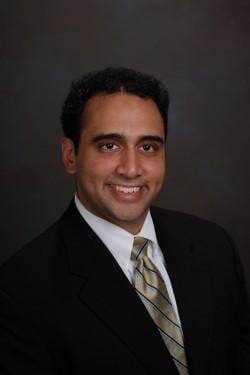
Neelesh Prakash, M.D., is an assistant professor and fellowship director at the University of South Florida, the Musculoskeletal Section Chief for the Radiology Associates of Florida, Tampa General Hospital and Tower Radiology Centers and a practicing radiologist at Radiology Partners.
Related content:
PODCAST: PET Ready To Expand Into Sports Medicine And Beyond

 October 08, 2026