January 7, 2019 — Breast cancer recurrence rates of patients treated with intraoperative radiation therapy (IORT) using the Xoft Axxent Electronic Brachytherapy (eBx) System were comparable to those seen in the TARGIT-A and ELIOT trials, according to new results. The results, published in the Annals of Surgical Oncology,1 came from a long-term study conducted at Hoag Memorial Hospital Presbyterian in Newport Beach, Calif.
The prospective study was led by Melvin J. Silverstein, M.D., medical director of the Hoag Breast Center, Gross Family Foundation Endowed Chair in Oncoplastic Breast Surgery at Hoag, and clinical professor of surgery at the Keck School of Medicine in Los Angeles. Hoag is a nonprofit, regional healthcare delivery network in Orange County, Calif., that treats more than 30,000 inpatients and 425,000 outpatients annually. The Hoag IORT series is currently the largest single-facility IORT series with the Xoft System in the United States. Researchers from Hoag have also published three additional studies on IORT with the Xoft System in peer-reviewed journals since 2016.
“On average, IORT can reduce 30 days of treatment to less than 30 minutes. The benefits are obvious,” said Silverstein. “Eliminating weeks of radiation therapy reduces emotional stress and allows patients to quickly return to their normal life. The results of this study have important implications for breast cancer patients around the world considering their treatment options.”
The study reviewed results of 1,000 early-stage breast cancers in 984 patients enrolled in a prospective trial from June 2010 to August 2017. Patients included individuals 40 years of age and older, with lymph node-negative cancer and with favorable pathology. All tumors were treated with breast-conserving surgery and IORT using the Xoft System. With a median follow-up of 36 months, there have been 28 ipsilateral local recurrences, ten of which were ductal carcinoma in situ (DCIS) and 18 invasive. There have been four regional nodal recurrences and one distant recurrence. There have been no breast cancer-related deaths. The low recurrence and complication rates reported support the continued study of IORT in appropriately selected women with low-risk breast cancer.
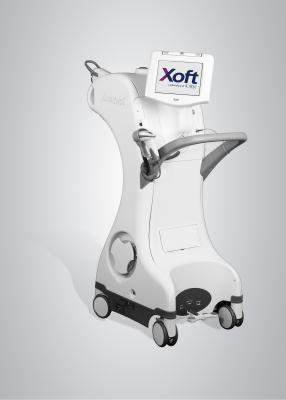
IORT with the Xoft System uses a miniaturized X-ray source to deliver one precise, concentrated dose of radiation to a tumor site at the time of breast-conserving surgery (lumpectomy). The treatment can be completed in as little as 8 minutes, making it possible for appropriately selected patients to replace six to eight weeks of post-operative external beam radiation therapy (EBRT) with a single treatment. The Xoft System is cleared by the U.S. Food and Drug Administration (FDA), CE marked, and licensed in a growing number of countries for the treatment of cancer anywhere in the body, including early-stage breast cancer, non-melanoma skin cancer, and gynecological cancers.
For more information: www.icadmed.com
Reference
 October 09, 2026