News | Orthopedic Imaging | May 23, 2017

Data indicate disease-modifying aspects of AST-OPC1 may carry long-term benefits related to both recovery and maintenance of motor and sensory function

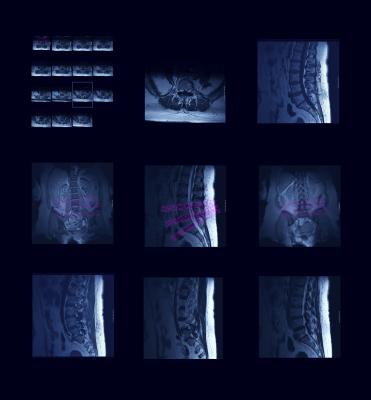
Asterias MRI Data Shows AST-OPC1 Cells Prevent Cavitation in Severe Spinal Cord Injury Patients

May 23, 2017 — Asterias Biotherapeutics Inc. recently announced new positive serial magnetic resonance imaging (MRI) data from its ongoing AST-OPC1 SCiStar Phase 1/2a clinical trial in patients with severe spinal cord injury.

Study data indicated that:

  • For the five AIS-A patients in the SCiStar study treated with 10 million AST-OPC1 cells (Cohort 2) who also received a serial MRI scan at six months of follow-up, the serial MRI scans indicated no sign of lesion cavities in any patient. These fluid-filled cavities typically form by about three months following severe spinal cord injury and prevent significant recovery of motor and sensory function;
  • For the three patients in Cohort 2 that have also completed 12 months of follow-up, serial MRI scans at 12 months continued to indicate no signs of lesion cavities; and
  • All three AIS-A patients who received a low dose of 2 million cells (Cohort 1) in the SCiStar study also showed no sign of lesion cavities in any patient through 1 year of follow-up.  All three patients are continuing long-term follow-up and will receive additional MRI scans annually.

The MRI results are supportive of the extensive pre-clinical data on AST-OPC1 showing that the cells durably engraft and help prevent cavitation at the injury site. Cavitation is a destructive process that occurs within the spinal cord following spinal cord injuries, and typically results in permanent loss of motor and sensory function. Additionally, a patient with cavitation can develop a condition known as syringomyelia, which results in additional neurological and functional damage to the patient.

Under the study protocol, patients are monitored by MRI scans at regular intervals over 12 months in order to assess status of the injection site and surrounding tissues.

For more information: www.asteriasbiotherapeutics.com


Related Content

News | Magnetic Resonance Imaging (MRI)

Jan. 27, 2026 — Hyperfine has announced results from the largest data set to date evaluating stroke detection with its ...

Time January 28, 2026
arrow
News | Radiology Education

Jan. 22, 2026—The American Roentgen Ray Society (ARRS) will host a live virtual symposium, "Medical Imaging for ...

Time January 28, 2026
arrow
News | Radiology Imaging

Jan.26, 2026 — SimonMed Imaging has unveiled an updated brand and the launch of SimonMed Longevity, a new division ...

Time January 27, 2026
arrow
News | PET Imaging

Jan. 26, 2026 — Nuclidium, a clinical-stage radiopharmaceutical company developing a proprietary copper-based ...

Time January 27, 2026
arrow
News | Magnetic Resonance Imaging (MRI)

Jan. 20, 2026 — Hyperfine, the developer of the first FDA-cleared AI-powered portable MRI system for the brain — the ...

Time January 20, 2026
arrow
News | Stroke

Dec. 12, 2025 — Hyperfine, Inc. has announced that it has received FDA clearance for a new multi-direction diffusion ...

Time December 15, 2025
arrow
News | Artificial Intelligence

Dec. 1, 2025 — Researchers at the University of California, Berkeley and University of California, San Francisco have ...

Time December 10, 2025
arrow
Feature | Uzay Emir and Stephen Sawiak

Healthcare has reached a critical juncture. The World Economic Forum estimates that global medical costs will see double ...

Time December 04, 2025
arrow
News | Advanced Visualization

Nov. 20, 2025 — Avatar Medical and Barco have launched Eonis Vision, marking a new evolution in how medical imaging is ...

Time November 20, 2025
arrow
News | Neuro Imaging

Nov. 19, 2025 — Royal Philips has announced an extended partnership with Cortechs.ai. Together, the companies will ...

Time November 19, 2025
arrow
Subscribe Now