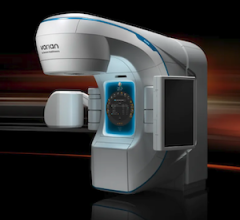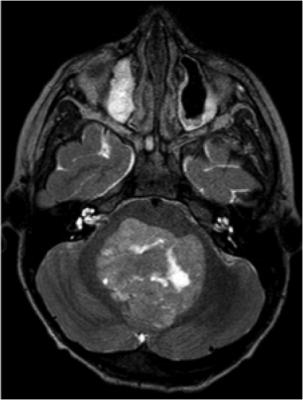
September 26, 2016 — Stereotactic radiosurgery (SRS) for brain metastases decreases the likelihood of local recurrence but shows no positive difference in terms of overall survival (OS) or distant brain metastases (DBMs) rates compared to observation alone following surgical resection. These conclusions were drawn from research presented at the 58th Annual Meeting of the American Society for Radiation Oncology (ASTRO).
Brain metastases occur in a large number of patients with common cancers and are more prevalent than many primary tumors, including primary brain tumors, lymphoma and colon cancer. Rates of brain metastasis have risen in recent years, as well. When cancer spreads to the brain, surgical resection can be employed to confirm the diagnosis, remove the lesion(s) or to reduce pressure in the brain. After resection, whole brain radiation therapy (WBRT) to the surgical cavity limits the growth of new lesions in the brain, yet radiation to healthy brain tissue can lead to cognitive decline and other toxicities. With SRS, oncologists deliver a single fraction of precise, high-dose radiation while preserving surrounding brain tissue.
“Over the past several years, with advances in technology, radiation to only the surgical bed of the resected lesion has become of interest,” said Anita Mahajan, M.D., professor of radiation oncology at MD Anderson Cancer Center in Houston and lead author of the study. “While oncology teams see the potential of radiosurgery, its novelty means that we have limited prospective evidence of its efficacy.”
Study participants included 132 patients (128 eventually analyzed) with one to three metastatic brain tumors who wished to avoid or delay WBRT following complete surgical resection of at least one brain metastasis. The median patient age was 59, and there were no relevant demographic differences between the treatment groups. Patients were randomly assigned to one of two arms, either SRS to the surgical cavity (or cavities for patients with more than one lesion removed) (SRS-cav, n = 63) or observation alone (OBS, n = 65). Patients were stratified by number of brain metastases (1 vs. 2-3), primary cancer type (melanoma vs. other histology) and pre-operative tumor size (less than vs. greater than three centimeters). Researchers assigned radiation dose for the SRS-cav group (12, 14 or 16 Gy) based on cavity volume at time of radiosurgery.
Failure of local control (LC), the primary endpoint of the study, was assessed through follow-up magnetic resonance imaging (MRI) by the study neuro-radiologist to determine whether local tumors recurred in the area treated with SRS. Researchers also examined the rates of overall survival (OS), development of distant brain metastases (DBM), time to WBRT and complications following SRS. Hazard ratios (HR) and corresponding confidence intervals (CI) were computed to compare treatment arms. The median follow-up time was 13 months, with a range of 0.3 to 71 months.
Radiosurgery to the surgical bed significantly reduced local recurrence of the resected tumor. At six months following treatment, LC rates were 83 percent for the SRS-cav group and 57 percent for the OBS group. At 12 months follow-up, the LC rates were 72 percent for the SRS-cav group, compared to 45 percent for the OBS group (HR, 0.46; p = 0.01).
Although SRS improved LC, there were no differences between treatment arms for regional recurrence, overall survival or time to WBRT. At 12 months after treatment, 58 percent of the SRS-cav patients had developed DBMs, compared to 67 percent in the OBS group, though the difference was statistically non-significant (HR, 0.79; p = 0.29). Median OS was 17 months for both groups (HR, 1.22; p = 0.37). WBRT was given to 24 of the 64 patients in the SRS-cav group within an average timeframe of 16.1 months, compared to 30 of 67 patients in the OBS group within an average timeframe of 15.2 months (HR, 0.8; p = 0.42). No significant complications were noted in the SRS-cav patients.
In terms of non-treatment factors, only tumor size impacted LC, as determined by multivariate Cox regression analysis. A pre-surgery tumor size of greater than 3 cm was associated with worse LC, but local recurrence was not significantly affected by the number of brain metastases or the patients’ histology or graded prognosis assessments.
“Our research shows that radiosurgery in this patient cohort does reduce the incidence of local recurrence, although the findings for overall brain control, overall survival and time until whole brain radiation therapy limit our ability to conclude an obvious clinical benefit,” said Mahajan. “In addition, it appears that smaller tumors may not need post-operative radiosurgery after resection, since the local failure rate for tumors smaller than 2.5 centimeters was very low.”
For more information: www.astro.org

 October 05, 2026