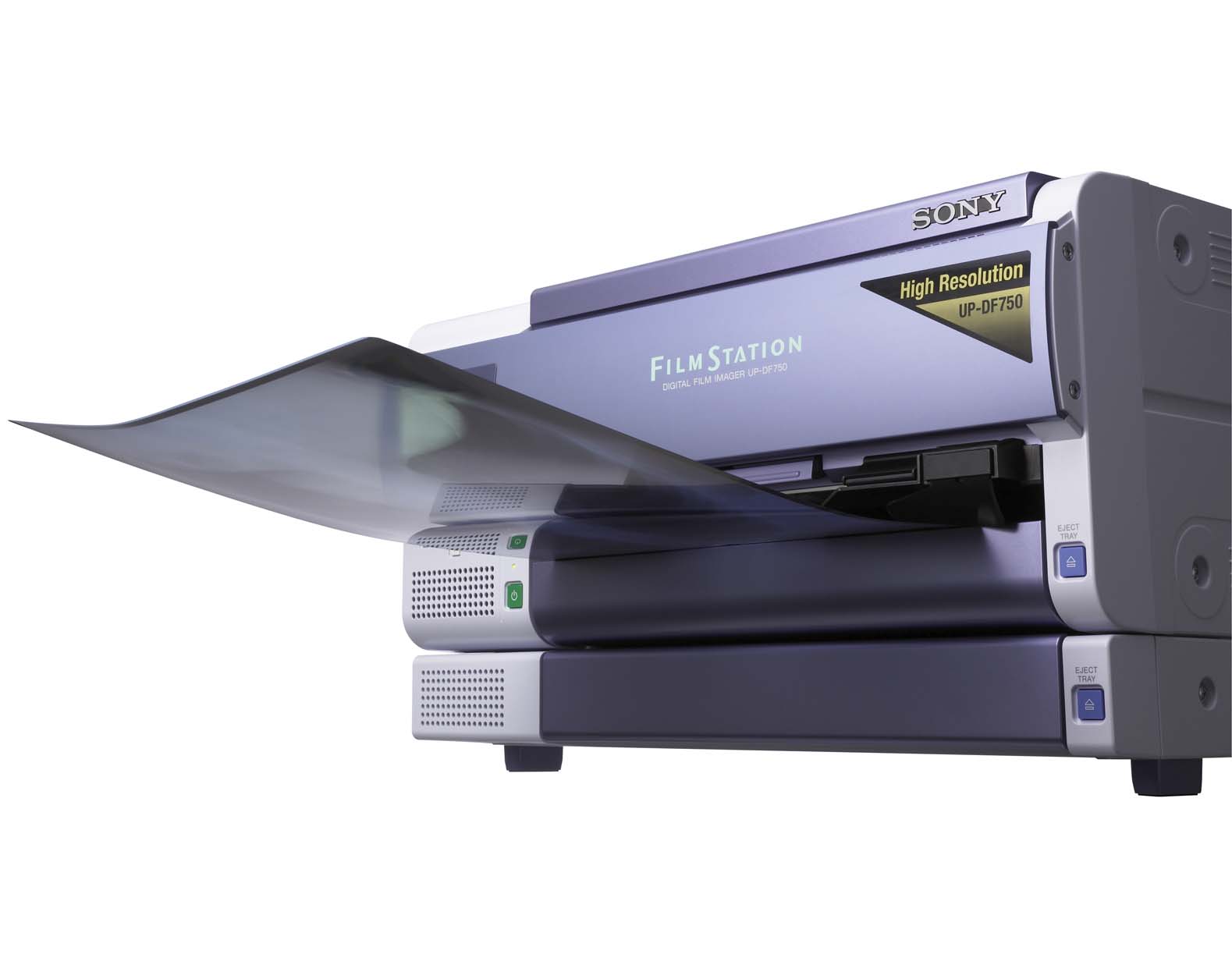
The FDA said there is little need for hard copies of mammograms in the digital age, but it still provides guidelines for quality assurance if printers are maintained at breast imaging centers.
November 24, 2015 — Over the past 20 years, there has been significant evolution in mammography, with the shift from screen-film to digital imaging being the most prominent change. As the technology has evolved, so has the role various peripheral devices played. The utilization of film printers by facilities was prevalent, especially when digital mammography first entered the market. However, the U.S. Food and Drug Administration (FDA) reported in November the need for mammography printers in the digital age has significantly dropped.
Some of the needs the printers served in the past were the provision of hard copy comparison images from digital facilities to requesting facilities that were not capable of viewing digital images, the submission of images for accreditation, and providing copies of mammograms to be viewed in the operating room. However, in the digital age, the FDA said the need for hardcopies has been significantly reduced.
Digital mammography was introduced into clinical use 15 years ago, and today fewer than 350 screen-film units remain in use in the United States. The nearly universal availability of computers for viewing of digital images diminishes the need for a facility to maintain a printer, the FDA said. Another change in current practice was the introduction of digital breast tomosynthesis (DBT) in 2011 and its rapid clinical adoption. DBT images are intended solely for soft-copy interpretation.
Today, with many mammograms shared on computer media such as compact discs or via online access, the provision of printed hard copies is becoming obsolete, the FDA said. Many medical facilities have the ability to review images on monitors throughout their facilities. Please note that any exchange of images between requesting and image-providing facilities is to be accomplished in a mutually agreed-upon format since there is no regulation dictating format. Additionally, all FDA-approved accreditation bodies can accept images electronically needed for accreditation, additional mammography reviews, etc.
Therefore, in today’s world, the option to maintain a printer and/or the ability to print hard-copy images is a decision left to each individual facility, according to the FDA.
If a facility chooses to maintain a printer, it must follow all the quality control requirements that are prescribed by the manufacturer of the printer and mammographic unit. The manufacturer’s quality control (QC) program benefits the facility that wants to provide the best possible quality in any hard copy mammography images it prints. Although the FDA’s Mammography Quality Standards Act and Program (MQSA) inspection program has removed printer QC questions from its inspection procedures, if a facility decides to maintain a printer, medical physicists must continue to include that printer QC in the mammography equipment evaluation upon installation, after a major repair, and annually, if required by the printer’s or image receptor’s manufacture quality control program.
For more information: www.fda.gov/Radiation-EmittingProducts/MammographyQualityStandardsActan…
 October 09, 2026