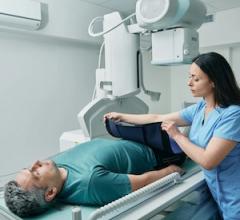
PinnacleHealth selected Toshiba as its imaging systems vendor because of its quality and to help reduce imaging radiation dose to improve patient safety.
Safety accidents drive up costs, damage reputations and lower patient satisfaction scores. For instance, if a patient falls off a system's table after being sedated and is badly injured, it can result in significant repercussions for the provider. This type of scenario is rare, but still causes concern for health systems nationwide.
In the wake of the biggest change in the United States healthcare system, the Affordable Care Act (ACA) has put a strong focus on patient outcomes and the quality of care providers deliver. Quality measures are directly linked to patient safety and satisfaction, and healthcare providers are reimbursed based on their ability to meet these quality measures under reform. Navigating these new directives, payment models and quality measures of the ACA is a tremendous challenge for any healthcare provider, no matter its size. And, it's changing all aspects of the way providers conduct business, safety included.
Building Relationships in a New Paradigm
PinnacleHealth System, a nonprofit hospital and healthcare system in central Pennsylvania, expanded its focus on safety and improving the patient. Before embarking on this endeavor, Karen Botts, administrative director at PinnacleHealth, needed a partner that not only understood today's changing environment, but also shared risk and brought value in offering individualized support, service and education to match PinnacleHealth's unique business needs for the future.
"I call it "˜conspansion' because we are consolidating services while expanding areas of coverage, and having good partners is essential for the future," said Botts. "We must forge new kinds of relationships with patients, physicians and other health systems in a completely different paradigm. That also means building strong, long-term relationships with vendors to match their technology to our needs so we can improve patient outcomes."
Sharing the same values in building long-term relationships, PinnacleHealth System selected Toshiba as its imaging partner to add to its culture on safety. Offering a fully comprehensive and responsive safety program, Toshiba provided 360 degrees of coverage, guidance and expertise that go beyond radiation dose and extend to other areas of patient and staff safety.
Dose Reduction
Reducing dose is a small but very important part of the approach to improving patient safety. PinnacleHealth has incorporated several of Toshiba's dose reduction tools, like Adaptive Iterative Dose Reduction 3D (AIDR 3D) for CT exams and Dose Tracking System (DTS) for long interventional X-ray procedures to decrease radiation exposure and improve accuracy.
"Dose is going to continue to be regulated more extensively in the near future," said Botts. "Toshiba's CT and interventional X-ray dose reduction tools have paid off with an estimated 30 to 40 percent dose reduction and an increase in physician referrals because we offer more comfortable and safer exams."
The Right Technology for Today and Tomorrow
PinnacleHealth also wanted to focus on preventing patient falls during exams, but it required more flexible diagnostic imaging table features. "Patient falls are a concern for every health system. We want to do everything we can to prevent falls and injury," said Botts. "Toshiba's Tech Assist Lateral Slide technology efficiently positions patients within the CT gantry, and the table can move up and all the way down to the floor so that patients can get off the table safely."
Another example of selecting the right technology to meet PinnacleHealth's needs is selecting Toshiba's Infinix cardiovascular X-ray system for its hybrid OR lab. The system gives staff the versatility needed for innovative procedures like transcatheter aortic valve replacement (TAVR) and dose management optimizing tools for longer exams.
Comfortable Exams Offer Competitive Edge
Larger CT bores and quieter MR exams with Toshiba's Pianissimo noise reduction technology have improved the patient experience at PinnacleHealth. Implementing standardization across all modalities to improve productivity for faster exams and to reduce operator error and fatigue, PinnacleHealth utilizes standard workflow tools on its ultrasound systems, such as iStyle+ Productivity Suite and Toshiba's intuitive M-Power MR interface.
"The return on investment since we first partnered with Toshiba has been very positive," Botts added. "Imaging went from being a minor player in the health system to a strong service line that has received positive patient response thanks to the more comfortable patient exams we offered."
Partnership Attitude to Service and Education
PinnacleHealth knew it was imperative to select a partner that not only is committed to developing better technology, but also invests in nationwide service support throughout the life of the system, and offers educational courses and live training sites to ensure all staff are fully optimizing the systems efficiently.
"Toshiba truly offers the best training resources so our staff can quickly and safely operate the equipment from the very beginning, making a huge difference in the care we deliver to patients today," Botts said. "We've purchased systems from other vendors before where it's taken anywhere from six to eight weeks for staff training. That's a lot of time not being able to image the maximum number of patients possible on the equipment."
Navigating New Challenges in Safety
From corporate programs that support industry safety to modality features that protect patients and staff, Toshiba partners with providers like PinnacleHealth to make safety a priority in everything it does. As a result, PinnacleHealth has improved patient safety and satisfaction, enhanced its reputation in the community and experienced successful growth.
For More Information: www.toshibamedicalsystems.com
The Gateway to Improving Patient Satisfaction in a Time of Reform
Situation: Under healthcare reform, reimbursement directly correlates with patient satisfaction and quality of care. Long proponents of patient satisfaction and safety, PinnacleHealth System redoubled its efforts to improve safety and the patient experience. PinnacleHealth needed a partner that not only understands today's changing environment, but also shares risk and brings value through individualized support, service and education to match PinnacleHealth's unique business needs for the future.
Solution: PinnacleHealth System selected Toshiba as its imaging partner to help expand its culture of safety across virtually every imaging modality. Toshiba understands its customers' business, offering a fully comprehensive and responsive safety program that goes beyond radiation dose. As a result, PinnacleHealth has improved patient safety and satisfaction, enhanced its reputation in the community and experienced successful growth.
Benefits:
"¢ Reduced Dose: Utilizing dose reduction tools like Adaptive Iterative Dose Reduction 3D (AIDR 3D) for CT exams and Dose Tracking System (DTS) for long interventional X-ray procedures to greatly reduce radiation exposure and improve accuracy.
"¢ The Right Technology: The right cardiovascular X-ray system to perform long and difficult procedures that are less invasive and can reduce patient readmissions.
"¢ Increase Productivity: Implementing standardization with iStyle+ Productivity Suite for ultrasound and an intuitive M-Power MR interface that improve workflow and reduce operator error and fatigue.
"¢ Comfortable Patient Exams: Improving patient experience and competitive edge with larger CT bores and quieter MR exams with Pianissimo noise reduction technology.
"¢ Superior Service and Education: A strong cultural focus on providing superior customer service throughout the life of the system and offering a long-term commitment in educational courses and training resources.

 October 07, 2026