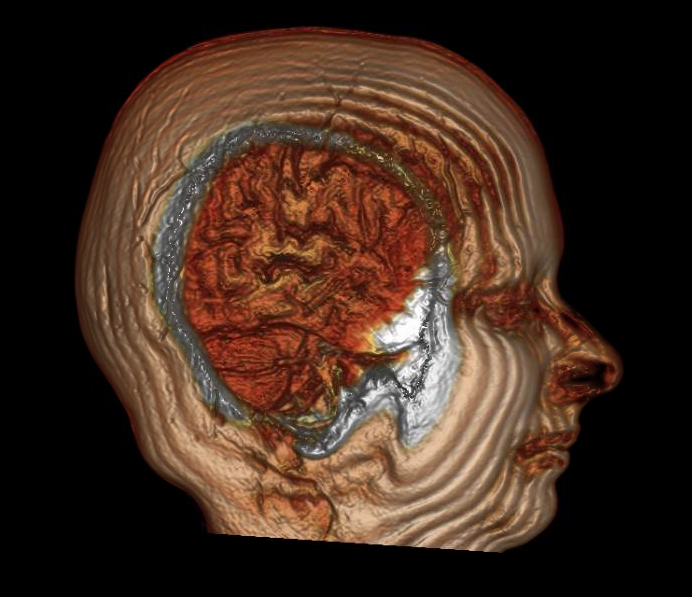
January 2, 2015 — Noninvasive brain scans, such as functional magnetic resonance imaging (fMRI), have led to basic science discoveries about the human brain, but they've had only limited impacts on people's day-to-day lives. A review article published in the Jan. 7 issue of the Cell Press journal Neuron, however, highlights a number of recent studies showing that brain imaging can help predict an individual's future learning, criminality, health-related behaviors and response to drug or behavioral treatments. The technology may offer opportunities to personalize educational and clinical practices.
John Gabrieli, M.D., of the Massachusetts Institute of Technology in Cambridge and his colleagues describe the predictive power of brain imaging across a variety of different future behaviors, including: infants' later performance in reading; students' later performance in math; criminals' likelihood of becoming repeat offenders; adolescents' future drug and alcohol use; and addicts' likelihood of relapse.
"Presently, we often wait for failure, in school or in mental health, to prompt attempts to help, but by then a lot of harm has occurred," says Gabrieli. "If we can use neuroimaging to identify individuals at high risk for future failure, we may be able to help those individuals avoid such failure altogether."
The authors also point to the clear ethical and societal issues that are raised by studies attempting to predict individuals' behavior. "We will need to make sure that knowledge of future behavior is used to personalize educational and medical practices, and not be used to limit support for individuals at higher risk of failure," says Gabrieli. "For example, rather than simply identifying individuals to be more or less likely to succeed in a program of education, such information could be used to promote differentiated education for those less likely to succeed with the standard education program."
For more information: www.cell.com/neuron

 October 07, 2026