August 6, 2014 — The American Society of Radiologic Technologists (ASRT) has expanded its popular MR Basics series to include two new modules focused on common pathological conditions seen on magnetic resonance images (MRI).
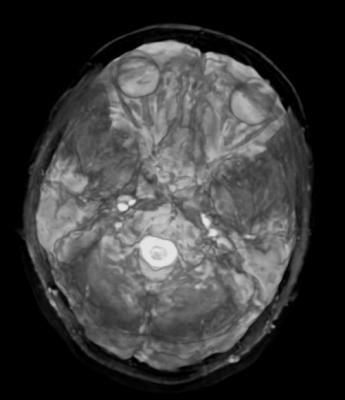
The new pathology modules provide an overview of how MR can identify pathological conditions and its ability to evaluate traumatic injuries. The modules describe the pathology of the vascular system of the neck and head, brain, spine, abdomen, and pelvis and extremities. The new modules incorporate 110 images depicting 49 pathologies.
According to ASRT Chief Academic Officer Myke Kudlas, M.Ed., R.T.(R)(QM), the new modules provide MR technologists with a unique look at the progression of pathological diseases and various treatment options. “With the explosion of MR in the clinical setting, it’s vital that MR technologists understand the variety of pathological conditions they’ll encounter during procedures. The addition of the two pathology modules rounds out the series and provides technologists and other healthcare professionals with the core information they need to provide excellent patient care.”
The complete package now features 12 modules covering a broad range of MR topics including fundamentals of MR, equipment and instrumentation, image quality, body and joint imaging, pathology, and a number of other topics.
Practicing technologists will earn at least 1 Category A continuing education credit for each module. Participants who successfully complete all the modules can earn 16 CE credits and will receive a document from ASRT recognizing their achievement.
In addition, to ensure that educational institutions have the complete series for their classrooms or staff members, ASRT will provide the complete and updated 12-module series at no cost to those who previously purchased the original 10-module institutional version. Institutions that have not purchased the institutional series have until Oct. 31 to buy the complete new series at the original 10-module price.
For more information: www.asrt.org

 October 07, 2026