February 27, 2014 — People who are dementia-free but have two parents with Alzheimer's disease may show signs of the disease on brain scans decades before symptoms appear, according to a new study published in Neurology.
"Studies show that by the time people come in for a diagnosis, there may be a large amount of irreversible brain damage already present," said study author Lisa Mosconi, Ph.D., with the New York University School of Medicine in New York. "This is why it is ideal that we find signs of the disease in high-risk people before symptoms occur."
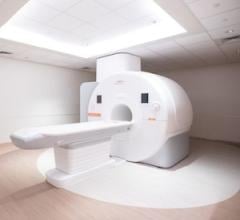
For the study, 52 people between the ages of 32 and 72 and free of dementia underwent several kinds of brain scans, including positron emission tomography (PET) and magnetic resonance imaging (MRI) scans. PET scans measure the amount of brain plaques as well as overall brain activity, such as brain metabolism. MRI scans look at brain structure and possible reductions in brain volume. Participants were split into four groups of 13 people: those with a mother with Alzheimer's disease, a father, both parents or no family history of the disease.
People with both parents who had Alzheimer's disease showed more severe abnormalities in brain volume, metabolism and five to 10 percent increased brain plaques in certain brain regions compared to the other three groups.
"Our study also suggests that there might be genes that predispose individuals to develop brain Alzheimer's pathology as a function of whether one parent or both parents have the disease," Mosconi said. "We do not yet know which genes, if any, are responsible for these early changes, and we hope that our study will be helpful to future genetic investigations."
People whose mother had Alzheimer's disease showed a greater level of the Alzheimer's disease biomarkers in the brain than people whose father had the disease, which is consistent with previous studies showing that people whose mothers had the disease were more likely to develop it than those with fathers with the disease, Mosconi said. She noted the small sample size of the study.
For more information: www.aan.com

 October 19, 2026