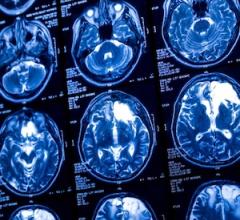
July 18, 2013 — In a study of more than 2,000 adults, researchers found that two MRI (magnetic resonance imaging) measurements of the abdominal aorta — the amount of plaque in the vessel and the thickness of its wall — are associated with future cardiovascular events, such as a heart attack or stroke. Results of the study are published online in the journal Radiology.
“This is an important study, because it demonstrates that atherosclerosis in an artery outside the heart is an independent predictor of adverse cardiovascular events,” said the study’s lead author, Christopher D. Maroules, M.D., a radiology resident at the University of Texas Southwestern Medical Center in Dallas and the study’s lead author. “MRI is a promising tool for quantifying atherosclerosis through plaque and arterial wall thickness measurements.”
Atherosclerosis is a condition in which fat, cholesterol and other substances collect within the arteries, forming plaque. As plaque accumulates, the artery narrows, limiting blood flow. The condition can occur in any artery, including the cerebral (brain) and coronary (heart) arteries and the aorta, which carries oxygenated blood from the heart through the abdomen to the rest of body. The aorta is the largest artery body.
In the study, researchers analyzed abdominal MR images of 2,122 participants (mean age 44) in the Dallas Heart Study, a multi-ethnic population-based study of healthy adults from Dallas County in Texas. Two measurements were obtained from the MR images: mean abdominal aortic wall thickness, or the thickness of the vessel wall, and the amount of plaque buildup, referred to as the aortic plaque burden.
Following imaging, study participants were monitored for a period of 7.8 years. During that time, 143 participants experienced an adverse cardiovascular event in which arterial blood flow was obstructed, resulting in death or medical intervention. Researchers categorized the events as related to the heart (cardiac events) or to other arteries (called extra-cardiac vascular events) such as those in the brain or abdomen.
Of the 143 cardiovascular events, 34 were fatal. Seventy-three were non-fatal cardiac events, including heart attack or coronary revascularization, and 46 were non-fatal extra-cardiac vascular events, such as stroke or carotid revascularization.
Using the MRI measurements, the researchers found that increased abdominal aortic wall thickness correlated with a greater risk for all types of cardiovascular events. An increase in both wall thickness and aortic plaque burden was associated with an increased risk for non-fatal extra-cardiac vascular events. “These MRI measurements may add additional prognostic value to traditional cardiac risk stratification models,” Maroules said.
MR imaging of the abdominal aorta is less technically challenging than other vascular imaging exams because of the large size of the vessel and its lack of proximity to a moving organ, such as the heart or the lungs. In addition, images of the abdominal aorta are often captured when patients undergo other exams, such as MRI of the spine or abdomen.
“The abdominal aorta is incidentally imaged on a regular basis,” Maroules said. “Radiologists can infer prognostic information from routine MRI exams that may benefit patients by identifying subclinical disease.”
According to Maroules, further MRI research will contribute to a better understanding of the progression of atherosclerosis, which scientists believe begins with a remodeling or thickening of the vessel wall prior to the buildup of plaque.
For more information: www.radiology.rsna.org

 October 07, 2026