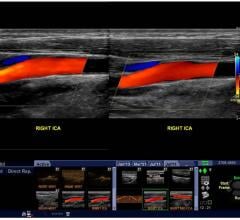
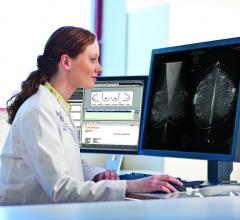
CoActiv, will demonstrate the Exam-Browser cloud-based, zero-footprint, universal clinical viewer at RSNA. It enables anywhere, anytime review of medical images and reports. Using the technology, imaging professionals can manipulate exams quickly and securely from virtually any browser-enabled computer or mobile device, anywhere in the world.

Exam-Browser’s latest enhancements that include real-time, multi-user collaboration and 3-D reconstruction on-the-fly. Seamlessly integrated into EXAM-PACS, the new technology makes CoActiv one of the first vendors to offer real-time collaboration enabling a broader range of experts to confer on a case and to enjoy 3-D reconstruction on any mobile device. 

For more information: www.coactiv.com


Additional Content

Technology

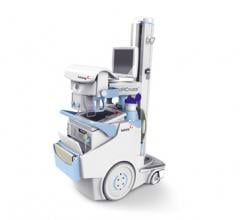
Swissray’s ddRCruze provides increased flexibility for digital radiography (DR) systems at modern healthcare facilities. The vendor asked technologists to help design the mobile X-ray system.

Time October 17, 2014
arrow
Technology

Invivo has expanded its breast and prostate imaging solutions portfolio with the addition of the Sentinelle product line of advanced MRI coils.

Time October 13, 2014
arrow
News

GE Healthcare, a unit of General Electric Company, developed features on the Logiq S8 general imaging ultrasound system. The innovations allow for enhanced image quality and streamlined workflow for healthcare providers, and help shorten exam times for patients. GE presented the advancements at the Radiological Society of North America (RSNA) 2013 conference.

Time February 03, 2014
arrow
Feature | Raissa Rocha

The practice of breast imaging and screening in women at risk for breast cancer is evolving as new imaging modalities are incorporated and researchers continue to study the implications of dense breast tissue in patients. At the 2013 annual meeting of the Radiological Society of North America (RSNA) in Chicago, there were several sessions highlighting trials and studies that brought breast density and cancer detection to the forefront.

Time February 03, 2014
arrow
Feature | Williette Nyanue

Several industries have used cloud solutions for many years, but cloud computing only recently started to be used in healthcare. According to the National Institute of Standards and Technology (NIST), cloud computing is defined as “a model for enabling convenient, on-demand network access to a shared pool of configurable computing resources (e.g., networks, servers, storage, applications and services) that can be rapidly provisioned and released with minimal management effort or service provider interaction.”1 As more and more healthcare organizations (HCOs) adopt electronic medical records (EMRs), the cloud database has offered an efficient solution for image sharing, particularly in radiology where it is bridging the gap between referring physicians and radiologists.

Time February 03, 2014
arrow
Subscribe Now