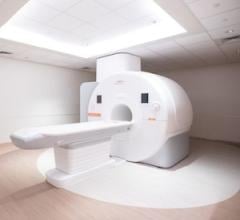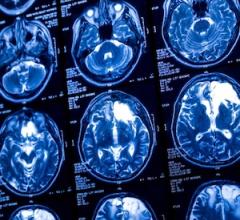
February 2, 2009 - Researchers at the Ohio State University Medical Center are using cardiac magnetic resonance imaging to assess the effects of a common treatment for sleep apnea on heart structure and function in otherwise healthy individuals.
The study authored by Ulysses Magalang, M.D. and Subha Raman, M.D. appears in the Journal of Clinical Sleep Medicine.
“Little data exists on continuous positive airway pressure’s therapeutic effects on the heart’s right side, so we are leveraging the advantages of imaging to see if the treatment helps these patients,” said Dr. Magalang, medical director of Ohio State’s Sleep Disorders Center.
Researchers found that continuous positive airway pressure therapy (CPAP) improves heart structure with improvements in the volume of the right ventricle. CPAP is administered by a device that delivers continuous positive airway pressure during sleep. The device encompasses a mask worn over the nose, tubing and a fan that delivers enough air pressure to keep the throat open, preventing obstruction of the airway, and reversing the negative consequences of sleep apnea on the heart.
“By getting clear pictures of the heart in these patients, we were able to better understand the cardiovascular consequences of obstructive sleep apnea. These results can be used to guide treatments to reduce death and disability due to heart disease,” said Dr. Raman, medical director of the cardiac magnetic resonance and computerized tomography program at Ohio State’s Richard M. Ross Heart Hospital.
Drs. Magalang and Raman recently collaborated on a study published in the journal Experimental and Clinical Endocrinology & Diabetes showing a possible link between sleep apnea and heart disease, which is the leading cause of death responsible for 29 percent of people worldwide. The researchers identified a substance that may prevent atherosclerosis.
For more information: www.osumc.edu

 October 07, 2026