January 28, 2009 - Philips is leading a major new European project, the SonoDrugs project, which uses focused ultrasound pulses and magnetic resonance imaging (MRI) to deliver and track therapeutic drugs used to treat cancer and cardiovascular disease, in hopes of maximizing efficiency and minimizing side effects.
By allowing drugs to be delivered to disease sites via the patient’s bloodstream and then activated by focused ultrasound pulses, the SonoDrugs project aims to maximize the therapeutic efficiency and minimize the side effects of drug treatments for cancer and cardiovascular disease.
The project, which involves a total of fifteen industrial partners, university medical centers and academic institutions from throughout the European Union (EU), will run for four years and has a budget of EU15.9 million, EU10.9 million of which is being funded under the EU’s 7th Framework program.
Although powerful drugs are available to treat certain types of cancer and cardiovascular disease they are mostly administered as intravenous or oral doses. This allows only very limited control over the distribution of drugs in the body, which can circulate in the patient’s bloodstream and interact with many different tissues and organs, both diseased and healthy. The SonoDrugs project aims to address this challenge by developing drug delivery vehicles that can be tracked by ultrasound or magnetic resonance imaging (MRI) and triggered by ultrasound to release the drugs at the desired location. It is hoped that such control of the drug delivery process will increase therapeutic efficiency and minimize side effects, while also providing a means of tailoring the therapy to individual patients.
The SonoDrugs consortium consists of the industrial partners Philips (The Netherlands, Germany and Finland), Nanobiotix (France) and Lipoid (Germany); the university medical centers Erasmus Medical Center (The Netherlands) and Universitäts Klinikum Münster (Germany); and the academic institutions University of Cyprus (Cyprus), University of Gent (Belgium), University of Helsinki (Finland), University of London (United Kingdom), University of Tours (France), University Victor Segalen Bordeaux (France), University of Technology Eindhoven (The Netherlands) and the University of Udine (Italy).
“New therapeutic options such as externally triggered local drug release at the specific site of disease hold the promise to significantly improve patient care,” said Henk van Houten, senior vice president of Philips Research and head of Philips’ healthcare research program. “We realize that medical imaging technologies are only one of the enablers required to fulfill this promise. However, the wide-ranging expertise that has been brought together in the SonoDrugs project puts us in a strong position to ultimately deliver the benefits of image-guided drug delivery to patients and care providers.”
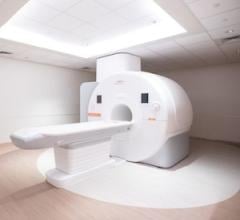
In attempting to realize its objective, the SonoDrugs project will take a two-pronged approach: the first is based on magnetic resonance imaging (MRI) guidance and the second is based on ultrasound guidance. The project’s research on MRI-guided drug delivery will largely be targeted at potential treatments for cancer. The SonoDrugs project aims to develop MRI techniques to simultaneously image the patient’s anatomy, detect the arrival of MRI-labeled drug-loaded particles at the disease site, measure the local heating effect of the ultrasound pulses, and monitor the temperature triggered release of drugs from the particles.
For potential applications in the treatment of cardiovascular disease, the project will focus on the use of ultrasound as the primary imaging modality as well as the means of releasing drugs from pressure sensitive microbubbles. Philips Research is at the forefront of research into the drug delivery potential of microbubbles by adapting existing microbubble technology so that microbubbles can deliver precise doses of drugs exactly where they might be needed in the body.
For further information: www.medical.philips.com

 October 07, 2026