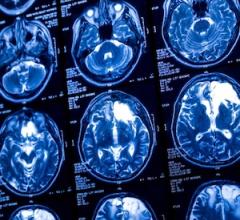
July 30, 2008 - Researchers at the Ohio State University Medical Center have designed equipment to provide high resolution images of the heart at peak stress level - a critical stage of testing - that have previously been difficult to obtain using standard testing procedures.
Now superior images of the heart are obtained with a test lasting less than one hour.
“In the past, we were constrained by the time lapse between the completion of exercise and capturing the images,” said Orlando “Lon” Simonetti, Ph.D., associate professor of internal medicine and radiology. “We now have the ability to exercise patients to peak stress and obtain a high definition image of their heart within 60 seconds, which helps us more accurately identify exercise-induced abnormalities. OSU Medical Center is the only place in the world performing treadmill exercise stress tests inside the MRI scan room.”
The standard design of treadmills has made exercise stress testing a challenge near the large magnetic field generated by the MRI equipment. Simonetti and his team, working with graduate students from Ohio State’s College of Engineering and faculty from the OSU Agricultural Technical Institute, modified a treadmill for use in close proximity to the MRI exam table. Magnetic components were replaced with non-magnetic stainless steel and aluminum equivalents.
While patients perform the treadmill exercise test, they are monitored using a 12-lead electrocardiogram system that is disconnected after exercise. Heart rate and rhythm are then monitored with a wireless, MRI-compatible electrode unit while patients undergo a rapid, real-time imaging procedure that takes less than one minute.
“Cardiovascular disease is the leading cause of death in the United States and by combining our medical expertise with other disciplines, we can develop safe approaches for improved diagnosis and treatment,” said Subha Raman, M.D., associate professor of internal medicine in OSU Medical Center’s division of cardiovascular medicine. “While current forms of stress testing have been helpful, combining exercise stress with cardiac magnetic resonance imaging allows us to better measure the presence and extent of heart disease with a clarity not previously possible.”
For more information: www.medicine.osu.edu

 October 07, 2026