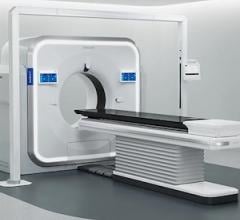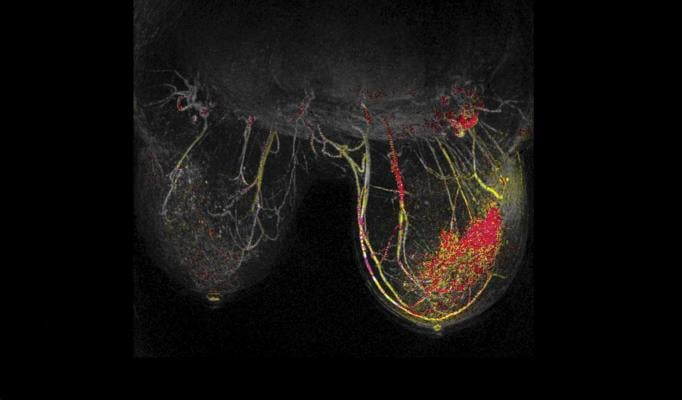
October 2, 2012 — A clinical trial published in the October issue of Radiology demonstrates that Aurora Imaging Technology’s 1.5T dedicated breast MRI (magnetic resonance imaging) system led to better diagnostic performance for all metrics (sensitivity, specificity, negative predictive value [NPV], positive predictive value [PPV] and receiver operating characteristic [ROC] area) than has been historically reported in trials for breast MRI on whole-body MRI scanners. In addition, the low frequency of false positive and false negative findings associated with the dedicated breast MRI system allows for use of breast MRI with low risk of patient harm in both the screening and diagnostic environments. The study was managed by ACR Image Metrix, the American College of Radiology’s clinical research organization.
“The results of this multicenter trial validate what we have suspected for many years, which is, using a dedicated MRI system optimized for breast imaging results in superior diagnostic performance. In addition, we were able to demonstrate consistency of performance across a variety of breast imaging centers, university, community hospital and independent breast centers,” said Steven Harms, M.D., primary investigator for the study.
The study included more than 900 patients and resulted in sensitivity and specificity for the dedicated breast MRI system of 92 percent (92/100) and 88.9 percent (741/834), respectively. For all cases, the NPV was 98.9 percent (741/749), and the NPV for screening cases was 100 percent (326/326). The area under the ROC curve was 94.2 percent. The false positive rate was 93/834 (11 percent) for all cases, but only 16/326 (4.7 percent) for the screening cohort.
Alan Hollingsworth, M.D., medical director, breast surgeon at Mercy Women’s Center at Mercy Health Center, and study investigator added, “False positive rates from previously reported trials using whole-body breast MRI have typically been between 30-50 percent. These studies have led to criticism of breast MRI for its high false positive rates, resulting in unnecessary biopsies, surgical procedures and anxiety for the patient. The dedicated breast MRI system offers a significant improvement in performance. Even within the 93 false positives, 25 (27 percent) were high-risk histologies for which excision is often recommended. This kind of performance should provide breast radiologists and surgeons alike a higher level of diagnostic confidence, and could have significant impact on the role of breast MRI”.
For more information: www.auroramri.com
 October 09, 2026