October 9, 2014 — Patients with a recurrence of head and neck cancer who have previously received radiation treatment can be treated more quickly, safely and with fewer side effects with high doses of stereotactic body radiation therapy (SBRT) in combination with a drug that also carefully targets cancerous tumors. These findings from a UPMC CancerCenter study were presented at the 2014 American Society of Radiation Oncology (ASTRO) annual meeting in San Francisco.
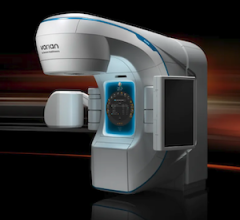
SBRT uses concentrated radiation beams in high doses to destroy tumors in difficult or hard-to-reach areas. The treatment is noninvasive and minimizes damage to surrounding healthy tissue and organs. Clinicians at UPMC CancerCenter, partnered with the University of Pittsburgh Cancer Institute (UPCI), used SBRT in combination with the drug cetuximab for patients who had a recurrence of squamous cell carcinoma of the head and neck after going through radiation.
"The prognosis for patients who have a recurrence of head and neck cancer that cannot be surgically removed is already poor. Traditional treatments can be associated with significant side effects so severe that patients give up on the therapy altogether," said Dwight E. Heron, M.D., vice chairman of radiation oncology at UPCI and director of radiation oncology services at UPMC CancerCenter. "By taking these patients through an abbreviated course of targeted drug and SBRT, we minimize the side effects of treatment."
Doctors treated 48 patients with the combination therapy between July 2007 and March 2013. All of the patients were able to complete the treatments, which were administered in a span of about two weeks compared to traditional therapies which can take up to nine weeks. Severe toxicity was reported at 12 percent using the combination therapy, compared to upwards of 85 percent using conventional therapies.
"The good news here is that we improved their quality of life and did it safely," said John Vargo, M.D., a radiation oncology resident at UPMC CancerCenter and one of the lead authors of the study. "Unfortunately, outcomes using this approach are still challenging so the next part of our research will concentrate on continuing to find ways to improve outcomes by integrating additional novel systemic agents."
For more information: www.upmc.com

 October 01, 2026