Stephen Chun, M.D. Credit: The University of Texas MD Anderson Cancer Center
July 3, 2024 — Results from a new study led by researchers at The University of Texas MD Anderson Cancer Center support standard use of the more precise intensity-modulated radiotherapy (IMRT) over the alternative 3D-conformal radiotherapy (3D-CRT) for patients with unresectable, locally advanced non-small cell lung cancer (NSCLC). The study, published today in JAMA Oncology, revealed fewer side effects with IMRT, with similar survival outcomes.
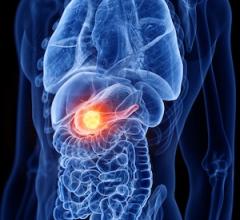
A prospective secondary analysis of long-term outcomes from 483 patients on the Phase III NRG Oncology-RTOG 0617 randomized trial demonstrated those treated with 3D-CRT were significantly more likely to experience severe pneumonitis – inflammation of the lungs – than patients treated with IMRT, with rates of 8.2% and 3.5%, respectively.
According to lead author Stephen Chun, M.D., associate professor of Radiation Oncology, this study should bring finality to what has been a long-standing debate over optimal radiation technique for locally advanced NSCLC.
“3D-CRT is a rudimentary technique that’s been around for over 50 years. Our findings show it’s time to routinely adopt IMRT over 3D-CRT for lung cancer, just like we did for prostate, anal and brain tumors decades ago,” Chun said. “The improved precision of IMRT translates into real benefits for patients with locally advanced lung cancer.”
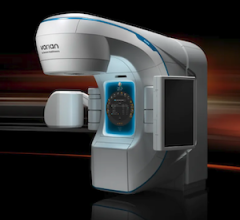
3D-CRT aims and shapes radiation in straight lines directed at tumors, but it lacks the ability to curve and bend to complex shapes, resulting in unnecessary radiation exposure of nearby organs. IMRT, developed in the 1990s, uses advanced computational methods to dynamically modulate numerous radiation beams to sculpt radiation to the shape of tumors. While this can deliver radiation more precisely and spare normal tissue, bringing radiation in from multiple directions can also create a large area exposed to low-dose radiation below 5 Gray (Gy), known as a low-dose radiation bath.
The unknown, long-term effects on the lungs of this low-dose bath have fueled historic debate over IMRT and 3D-CRT in lung cancer, despite significant evidence of the other benefits of IMRT. In this study, the researchers showed that that the low-dose radiation bath was not associated with excess secondary cancers, long-term toxicity or survival with long-term follow-up.
Patients had numerically better but statistically similar five-year overall survival rates for IMRT (30.8%) compared to 3D-CRT (26.6%), as well as progression-free survival rates (16.5% vs. 14.6%). Taken together, these results favored IMRT, even though patients on the IMRT arm had significantly larger tumors and more tumors in unfavorable locations near the heart.
These findings also highlight the importance of using IMRT to minimize cardiac exposure of doses from 20 to 60 Gy. Historical concern has focused primarily on lung exposure, but this study demonstrated that the amount of the heart exposed to 40 Gy independently predicted survival in a multivariable analysis. Specifically, patients with less than 20% of the heart exposed to 40 Gy had a significantly better median survival of 2.4 years compared to 1.7 years for patients with more than 20% of the heart exposed to 40 Gy.
According to Chun, these data validate efforts to constrain the volume of the heart receiving 40 Gy, targeting less than 20% as a novel radiation planning objective.
“With a substantial number of patients reaching long-term survivorship for locally advanced lung cancer, cardiac exposure can no longer be an afterthought,” Chun said. “It is time for us to focus on maximizing radiation precision and conformity to reduce cardiopulmonary exposure and to let go of historic concerns over the low-dose bath.”
For more information: https://www.mdanderson.org/
 October 07, 2026