SimonMed Imaging MRI
Nov.26, 2025 – SimonMed Imaging is presenting four scientific abstracts at RSNA 2025. The presentations acknowledge SimonMed’s dedication toward advancing imaging science, artificial intelligence innovation, and preventive health through large-scale, real-world research.
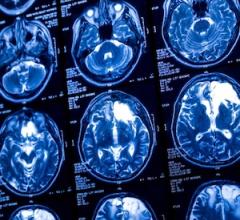
One of the four abstracts by SimonMed will cover the latest study on the prevalence of the whole-body MRI (WB-MRI) protocol as a late-breaking abstract as part of RSNA’s Cutting-Edge Research program. Analyzing reports from more than 2,700 patients across 59 centers and all performed on 3T magnets, the study found abnormalities in more than 90% of asymptomatic patients, highlighting WB-MRI’s potential in preventive and precision medicine. Dr. Sean Raj, Chief Medical Officer and Chief Innovation Officer at SimonMed Imaging, will co-lead this educational, oral session exploring the clinical and technological development of whole-body MRI in recent years.
“Whole-body MRI with higher resolution scanners effectively differentiates findings requiring intervention from benign variants, helping optimize resource utilization and reduce unnecessary downstream imaging,” said Dr. Raj, “Our results demonstrate that whole-body MRI represents a valuable tool for holistic assessment, providing comprehensive data on the prevalence and significance of WB-MRI findings in asymptomatic adults.”
In combination with this late-breaking presentation, SimonMed’s Dr. Raj also authored three additional scientific studies, which have been accepted for presentation at RSNA 2025:
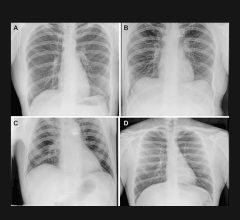
- Enhancing Radiologist Performance in Lung Nodule Detection on Chest Radiographs Using an AI-Assisted Tool – This research shows that radiologists using an AI-assisted tool achieved higher diagnostic accuracy and efficiency than either radiologists or AI alone, underscoring the value of AZmed technology in enhancing lung radiology and chest imaging. Radiologist accuracy (AUC) improved significantly with AI, rising from 80.7% to 85.8%.
- Impact of AI on Breast Cancer Screening: Experience from a Multi-Year National Breast Imaging Practice – This study examines how integrating ProFound AI improved cancer detection and specificity while reducing recall rates, advancing more effective patient care. The research found that Positive Predictive Value (PPV) nearly doubled, increasing from 2.79% to 5.04% (p < 0.0001), concluding that radiologists were far more likely to be correct when calling a mammogram positive using ProFound AI, which is a major quality indicator.
- Multi-Center Assessment of Hepatic Steatosis Using Ultrasound-Derived Fat Fraction (UDFF): Real-World Insights from a Pilot Routine Clinical Practice – This study evaluates the integration of UDFF, a tool to measure fat in the liver developed by Siemens Healthineers, into routine abdominal ultrasound, offering a non-invasive method to support early detection and risk stratification for MASLD and related conditions. The study found that more than 60% of routine ultrasound patients had hepatic steatosis. This highlights how common silent liver disease is in real-world practice and underscores UDFF’s value in aiding early detection and ongoing management of patients with hepatic steatosis.
Dr. Raj will also represent SimonMed in an educational session on the “Future of Personalization in Imaging” hosted by Lunit, a company specializing in AI-powered solutions for cancer screening, breast health, and precision oncology. The session will highlight Mammogram+, an individualized program delivering precision reports powered by Cascaid Health and enhanced by Lunit’s INSIGHT DBT, helping Radiologists improve breast cancer detection. The session will take place at Lunit’s booth (South Hall A, Booth #1252) on December 2 at 3:30 p.m.
The abstracts represented at RSNA show SimonMed’s commitment to bettering radiology and screenings using the most advanced technology, while also showing stats and data about how this technology is changing the standard of patient care.
Go to www.simonmed.com for additional information.

 October 05, 2026