October 29, 2021 — In a new single-arm study, researchers at The University of Texas MD Anderson Cancer Center reported that radiation therapy as monotherapy is a safe and effective noninvasive treatment for oligometastatic renal cell carcinoma (RCC). The findings were published today in The Lancet Oncology.
Led by Chad Tang, M.D., assistant professor of Radiation Oncology, the MD Anderson RCC Oligometastasis Phase II trial is the first study to investigate and report the use of stereotactic body radiation therapy (SBRT) as an alternative treatment to standard-of-care systemic therapy for oligometastatic RCC, a disease state in which a small number of new RCC tumors form in one or two other areas of the body. Serial SBRT as monotherapy demonstrated antitumor activity and achieved a median progression-free survival (PFS) 22.7 months in patients with RCC, the most common type of kidney cancer.
“These findings are exciting because we’re challenging the dogma in radiation oncology that RCC is biologically radioresistant,” Tang said. “Our strategy to iteratively radiate tumors as they grow and appear has demonstrated promising results. This adds to a growing body of evidence suggesting/indicating radiation therapy could offer an alternative treatment beyond systemic therapy for patients with this disease.”
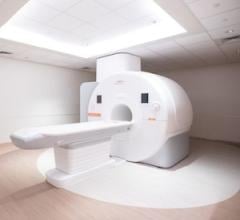
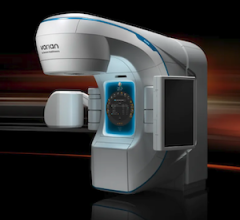
SBRT uses highly concentrated doses of radiation to precisely treat tumor sites without damaging surrounding healthy tissue. Guided by computed tomography (CT), magnetic resonance imaging (MRI) and other advanced imaging techniques to map the position and shape of the tumor and determine its exact angles and intensities, SBRT is a noninvasive local treatment that can be repeatedly applied to control metastatic lesions in various anatomic locations. This approach is typically used to treat patients with small, early-stage lung cancer and prostate cancer.
For patients with kidney cancer, radiation is more often used as a palliative approach to relieve pain or manage symptoms, while systemic therapies — such as immunotherapy and targeted agents — are typically used as front-line treatments. Although highly effective, systemic therapy agents affect the entire body and can be associated with substantial toxicities.
“By developing this novel radiation treatment strategy, we sought to shift the treatment paradigm in an effort to provide select RCC patients with a lower-cost, less toxic alternative treatment to systemic therapy,” Tang said.
From July 2018 to September 2020, researchers enrolled 30 patients who were diagnosed with RCC of the clear cell subtype and had five or fewer metastatic lesions. The trial consisted of 20 Caucasian (67%), 7 Hispanic (23%), 2 Black (7%) and 1 Native American (3%) participants. The median age was 65, with six women (20%) and 24 men (80%). The primary endpoints of the study were to estimate PFS and evaluate feasibility.
Overall, radiation therapy was well tolerated with conservative management. All patients completed at least one round of radiation therapy without requiring dose reduction or discontinuation due to toxicities. Six patients (20%) experienced a grade 2 or less adverse event, two patients experienced a grade 3 event (pain and muscle weakness) and one patient experienced a grade 4 event (hyperglycemia).
Biopsies collected three months after treatment confirmed that radiation therapy was effective in eliminating viable tumor cells or significantly reducing their proliferation. Researchers conducted CT-guided biopsies on 14 patients at first follow-up. Six patients (43%) tested negative for viable malignancy. All remaining patients whom researchers were able to test showed a meaningful reduction in tumor cell proliferation, dropping from 15% before radiation therapy to 6% after treatment. At the end of the reported study period, 23 patients (77%) remained off systemic therapy.
While larger randomized trials will be needed to further investigate the risks and benefits of SBRT as monotherapy, the study showed that radiation therapy for the treatment of oligometastatic RCC is feasible and produced favorable outcomes with minimal toxicity.
“Given these results, I’m encouraged that serial radiation therapy for oligometastatic RCC has the potential to be practice-changing,” Tang said. “We are giving patients another option for treatment that minimizes the burden of toxicity on the body, while extending survival and maximizing their quality of life. We plan to continue studying this strategy on patients with slightly larger burdens of disease and to analyze biomarkers from these treated patients to improve our ability to select patients who benefit from this treatment.”
The trial was supported by the Anna Fuller Foundation, the Cancer Prevention and Research Institute of Texas (CPRIT) and the National Cancer Institute. Pavlos Msaouel, M.D., Ph.D., assistant professor of Genitourinary Medical Oncology, served as co-first author and Nizar Tannir, M.D., professor of Genitourinary Medical Oncology, served as senior author. A full list of co-authors and their disclosures can be found here.
 October 07, 2026