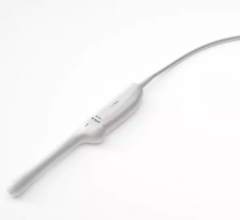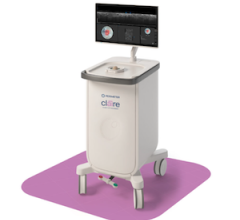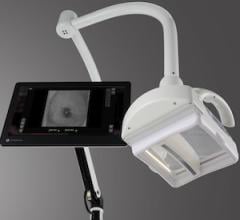
Early detection is key to breast cancer survival. But nearly half of all women in the U.S. have dense breast tissue, which can make detecting breast cancer difficult with a mammogram. Mayo Clinic researchers found that adding another test, called molecular breast imaging, or MBI, to a 3D mammogram improved the ability to find cancer in dense tissue by more than double.
"A mammogram is an important screening test that has been proven beneficial. But we've learned that in areas of dense breast tissue, breast cancers can hide from detection on a mammogram until they reach an advanced size. Our research focuses on detecting the most lethal cancers, which can include invasive tumors that grow quickly. If these are detected earlier, we likely can save more lives," says Carrie Hruska, Ph.D., a professor of medical physics and the lead author of a study published in Radiology.
She and her research team studied 2,978 women with dense breasts between 40-75 years old at five separate centers. The study participants received two annual breast cancer screenings that included the combination of a supplemental MBI test and a 3D mammogram, also called digital breast tomosynthesis.
Breast radiologists detected more cancerous tissue from the combined MBI and mammography screenings compared to either technique alone.
"MBI is a fairly simple, low cost and safe option for women who have dense breasts and are seeking a supplemental screening test," says Dr. Hruska.
MBI combined with a mammogram is available at about 30 sites in the U.S., including Mayo Clinic Health System in La Crosse, Wisconsin; Mayo Clinic Health System in Eau Claire, Wisconsin; and Mayo Clinic campuses in Rochester, Phoenix, and Jacksonville, Florida.
With more screening, there is a risk of being called back for additional testing to evaluate the findings. The researchers were pleased to find that although the addition of MBI to mammography led to 279 more women being called back in the first year of screening, this rate of callbacks decreased by half in the second round of screening.
Dr. Hruska's team is working on developing an algorithm that would cut the time it takes from 40 minutes to about 20 minutes or less to capture an image using this technique. This would make it more comfortable for women and enable more women to schedule this screening.
Review the study for a complete list of authors, disclosures and funding.
Source: Newswise
 October 09, 2026