Photo: Prenuvo
Sept. 29, 2026 — Prenuvo has launched the Prenuvo Research Network (The Network) to shift the healthcare paradigm from reactive to proactive. The Network is an initiative bringing together Prenuvo's AI tools, internal R&D teams, scientists and academic institutions to build the evidence base for proactive, preventive medicine.
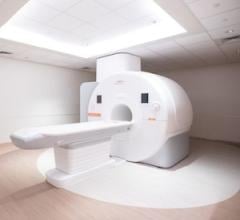
The Network's research is powered by the Prenuvo Imaging Biobank — a proprietary collection of high quality whole-body MRI scans obtained with standardized, research-grade protocols and equipment. With more than 200,000 whole-body MRI scans completed, the Biobank enables researchers to help study disease patterns years before symptoms may appear.
Leveraging the Prenuvo Imaging Biobank, the Network is dedicated to studying early signs of structural and physiological changes in the human body, building an unprecedented picture of how disease develops over time. Early findings are beginning to generate meaningful insights into high-burden non-communicable diseases, including cardiovascular risk, cancer, metabolic conditions and neurodegenerative disorders.
The Network's initial collaborators represent experts from more than 50 institutions, including City of Hope, UCSF, and Moffitt Cancer Center. Unlike traditional academic research constrained by lengthy grant cycles and narrow focus areas, the Network is built to be collaborative and clinically driven, examining real-world medical questions and led by Prenuvo's in-house Medical Affairs and AI Research organization.
This initiative builds upon Prenuvo's growing research portfolio, including internal Hercules and Polaris studies, which examine the effectiveness of whole-body MRI screening for early disease detection. All research follows applicable ethical, patient safety, data integrity and regulatory compliance requirements including collaborator institution IRB review where required.
"The launch of the Prenuvo Research Network marks a groundbreaking moment for the future of healthcare. We're creating a research ecosystem that brings together cutting-edge AI, the largest internal database of whole-body MRI scans, and leading academic institutions—all united in the mission to transform proactive care," said Dr. Alex Exuzides, VP and Head of Research & Medical Affairs at Prenuvo. "The Prenuvo Research Network is designed to generate high-quality, real-world evidence on the role of whole-body MRI in clinical care. By combining a large-scale imaging dataset with rigorous analysis, we're able to study early patterns of disease in ways that have not been possible before. Our goal is to build a strong evidence base for proactive, preventive healthcare through collaborative, clinically grounded research."
"My laboratory's research focuses on bridging knowledge of peripheral diseases such as obesity to higher risk of neurological disorders, mainly Alzheimer's disease," said Dr. Cyrus Raji, MD, PhD, Associate Professor of Radiology at Washington University School of Medicine in St. Louis. "Access to high-quality research databases that image the body and brain is essential to building on the success of this work."
"We're seeing a troubling rise in lung cancer among people who don't fit the traditional risk profiles, especially never-smokers and women," said Dr. Lary Robinson, Thoracic Oncologist at Moffitt Cancer Center. "Working with Prenuvo, we're studying patients outside current screening guidelines to better understand which factors beyond smoking might signal elevated lung cancer risk. With access to de-identified data from Prenuvo's large internal dataset, we have a unique opportunity to explore early signs like lung nodules and connect them to the full picture of individual risk."
"City of Hope recently piloted the use of whole-body MRI alongside multi-cancer early detection blood testing in individuals with a strong family history of cancer. We found this approach may help detect cancers — sometimes in earlier stages — and may reduce patients' worries surrounding the disease. Further research will help clarify the role of whole-body MRI in early cancer detection," says Dr. Dan Raz, MD, Professor of Thoracic Surgery, Director of Lung Cancer Screening, and Co-Director of the Lung Cancer and Thoracic Oncology Program at City of Hope.
"Early detection can be a game changer for conditions where progressive growth and possibly even malignant transformation are the natural history," said Dr. Jacob Young, Assistant Professor, Department of Neurological Surgery, University of California, San Francisco. "Using Prenuvo's de-identified data sets to help define the frequency and characteristics of incidentally discovered lesions can improve our decision-making and management for patients now and in the future."
Initial Research Highlights
The Prenuvo Research Network launches with four featured studies, including peer-reviewed abstracts.
Significant Pulmonary and Mediastinal Findings in Patient Driven MRI Whole Body Screening
This study, representing the largest analysis of pulmonary and mediastinal findings on WB-MRI to date, establishes that clinically significant intrathoracic abnormalities — including findings concerning malignancy — can be detectable at meaningful rates in patients undergoing patient-driven preventive screening. These results highlight the potential of WB-MRI to extend cancer detection beyond guideline-eligible populations and underscore the need for prospective research into its impact on lung cancer mortality. Learn more.
Incidental Brain Findings in more than 78,000 Individuals from the General Population Undergoing Preventive Whole-Body MRI
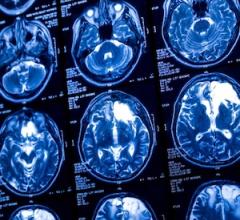
This study provides the largest population-level characterization of incidental intracranial findings detected through preventive whole-body MRI, revealing that clinically significant brain abnormalities — including aneurysms, infarcts, and meningiomas — occur in 7% of screened individuals. These findings underscore the value of screening MRI in uncovering silent but actionable neurological pathology, and call for further investigation into the downstream clinical management and outcomes of incidentally detected brain findings at scale. Learn more.
Whole-Body and Brain Changes Associated with Alcohol Intake in Adults Without Alcohol Use Disorder
This study uniquely links alcohol consumption with structural changes in both brain and body organs among non-AUD individuals. These findings prompt further investigation into alcohol's broader health implications, particularly concerning cross-organ relationships and their clinical significance. Learn more.
Incidental Renal Findings Across 117,826 Whole-Body MRI Scans
This study uniquely characterizes the prevalence and risk profile of incidentally detected renal lesions across the largest whole-body MRI cohort to date, demonstrating that while the vast majority of findings are small and likely benign, clinically concerning lesions follow known RCC risk patterns. These findings prompt further investigation into the role of whole-body MRI in early renal cancer detection and the clinical frameworks needed to appropriately triage incidental findings at a population scale. Learn more.
 October 07, 2026