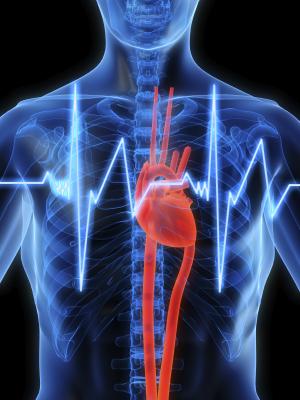
April 10, 2013 — Cancer survivors who had chest radiation are nearly twice as likely to die in the years after having major heart surgery as similar patients who didn't have radiation, according to research in the American Heart Association journal Circulation.
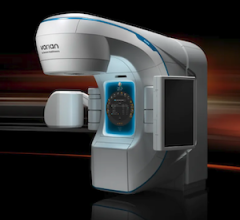
Chest radiation to kill or shrink breast cancer, Hodgkin's lymphoma and other cancers increases survivors' risk for major heart disease years — even decades — after radiation therapy.
"While radiation treatments done on children and adults in the late 1960s, '70s and '80s played an important role in cancer survival, the treatment often takes a toll on the heart," said Milind Desai, M.D., the study’s author and associate professor of medicine at the Cleveland Clinic in Ohio. "Survivors are at greater risk than people who do not have radiation to develop progressive coronary artery disease, aggressive valvular disease, as well as pericardial diseases, which affect the heart's surrounding structures. These conditions often require major cardiac surgery."
The study is the largest on how prior radiation affects long-term results from major heart surgery.
Researchers reviewed 173 patients who had radiation treatment for cancer an average 18 years before needing heart surgery. They followed the heart surgery patients an average 7.6 years and compared them to 305 patients undergoing similar heart surgeries who didn't have radiation therapy.
"These are major open-heart procedures, including valve or bypass procedures, and a vast majority had multiple simultaneous procedures, for example, multiple valve surgeries or valve plus bypass," said Desai. "About a quarter of the patients had redo surgeries, which puts them at even higher risk than those having the initial procedures."
Radiation patients had similar pre-surgical risk scores as non-radiated patients. Typically, preoperative risk scores help determine how patients will fare after surgery.
Patients had similar results in the first 30 days after major cardiac surgery regardless of their prior radiation status. However, during an average 7.6 years of follow-up, 55 percent of patients in the radiation group died, compared to 28 percent in the non-radiation group.
"These findings tell us that if you had radiation, your likelihood of dying after major cardiac surgery is high," said Desai. "That's despite going into the surgery with a relatively low risk score. In patients who have had prior thoracic radiation, we need to develop better strategies of identifying appropriate patients that would benefit from surgical intervention. Alternatively, some patients might be better suited for percutaneous procedures."
For more information: www.heart.org

 October 01, 2026