Aug. 21, 2025 — The medical imaging market is projected to have a compound annual growth rate of nearly six percent over the next seven years.
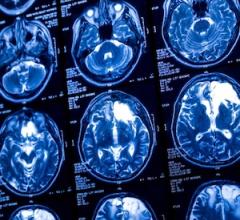
SkyQuest Technology Consulting reccently published a report, titled, "Medical Imaging Market - Global Opportunity Analysis and Industry Forecast, 2025-2032." According to the report, the market was valued at $42.6 billion in 2024. With a projected CAGR of 5.7% from 2025 to 2032, the market is expected to reach $66.3 billion by the end of 2032. Growing incidence of chronic diseases, rising awareness regarding early disease detection and use of imaging in multiple disease indications are forecasted to bolster the demand for medical imaging over the coming years.
The key U.S. medical imaging market drivers include:
- Chronic Disease Burden: According to the CDC, chronic diseases like cancer, cardiovascular conditions, and diabetes remain leading causes of death in the U.S., fueling demand for early and precise imaging solutions.
- Technology Leadership: U.S.-based companies such as GE Healthcare, Hologic, Medtronic, and CMR Naviscan are pioneering innovation in AI-driven imaging, 3D mammography, and portable MRI devices.
- Regulatory Support: FDA approvals for AI-based imaging platforms and advanced diagnostic devices are accelerating adoption in hospitals and diagnostic centers.
- Aging Population: With over 54 million Americans aged 65+, demand for MRI, CT, ultrasound, and X-ray diagnostics is rising sharply in hospitals and imaging centers nationwide.
Market Dynamics
Growing number of geriatric people around the world and the subsequent rise in prevalence of chronic diseases is boosting the demand for medical imaging solutions. Early and accurate diagnosis through imaging techniques like MRI, CT, and ultrasound improves treatment outcomes and reduces healthcare costs. Additionally, the global aging population is more susceptible to such diseases, driving up demand for diagnostic imaging services. As older individuals require frequent health assessments, hospitals and diagnostic centers are expanding imaging capabilities.
Technological advancements play a crucial role in shaping up the demand for novel medical imaging solutions. Enhanced image resolution, 3D/4D imaging, portable devices, and hybrid modalities such as PET-CT and PET-MRI improve diagnostic precision and patient comfort. Integration of artificial intelligence (AI) and machine learning is transforming image analysis, enabling faster, more accurate interpretation and workflow efficiency.
Major Challenges
High initial and maintenance costs of advanced medical imaging equipment are expected to hamper market development going forward. This financial burden can strain budgets of smaller hospitals, rural clinics, and healthcare systems in developing nations. Besides equipment costs, infrastructure upgrades, specialized staff training, and software licenses add to the total ownership cost. As a result, limited access to advanced imaging in low-resource settings restricts market penetration.
Concerns regarding radiation exposure from imaging techniques like CT and X-rays present a significant restraint. Repeated scans, particularly in pediatric or vulnerable patients, increase the risk of long-term health effects, prompting regulatory restrictions. Strict government guidelines on radiation dosage, equipment approval, and clinical usage create lengthy, costly compliance processes.
Competitive Landscape
Medical imaging companies are continually focusing on launching new solutions and products. Integrating advanced technologies such as artificial intelligence to improve the capabilities of medical imaging systems and products is a key trend that all new and established medical imaging providers are expected to focus on going forward.
 October 06, 2026