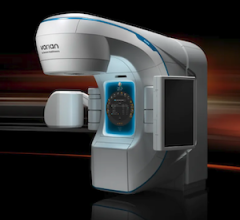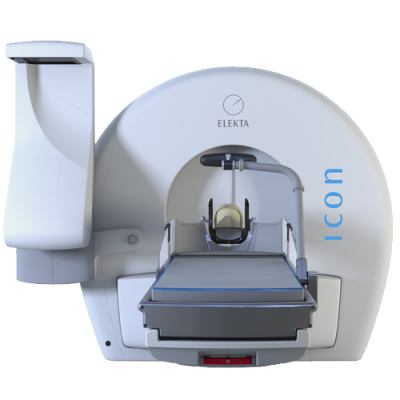
Each year, up to 650,000 people who were previously diagnosed with various forms of cancer will develop brain metastases, or cancerous tumors that migrate from the original location of the cancer into the brain.(1) Of these patients, at least 200,000 will receive whole brain radiation therapy (WBRT),(1) which has increasingly been shown to cause a variety of side effects that negatively affect the patient. As alternatives to this treatment are explored, more healthcare providers and patients are choosing options such as Gamma Knife stereotactic radiosurgery, offered in healthcare facilities like the San Diego Gamma Knife Center SDGKC).
Since WBRT is nonspecific, the entire brain receives a dose of radiation during treatment, which usually occurs in multiple sessions over the course of two to three weeks.(6) The treatment is known to cause serious side effects for patients, including extreme fatigue, nausea, neurotoxicity, and notable cognitive decline.(2,3,4) While it was once seen as a standard in brain tumor treatment, many healthcare providers and patients—especially those with a limited number of brain metastases arising from certain types of cancers—are now finding that it does not improve tumor control, increase the quality of the patient’s life, or extend life expectancy.(2,4)
For many patients, especially those with a limited number of brain metastases, a radiosurgical approach to brain surgery is often more effective in controlling brain tumors. Stereotactic radiosurgery options, like the Gamma Knife, delivers radiation in a precise manner directly to cancerous masses in the brain.(5) Treatment is often delivered in one convenient dose, rather than in multiple doses over the course of several days or weeks.
Ken Ott, M.D., neurosurgeon and founder of the SDGKC, says, “Gamma knife radiosurgery targets the brain tumor with extreme accuracy and allows a tumor-lethal dose of radiation to be given in a single treatment while the surrounding, normal brain receives no significant radiation. This is translated into the control of the vast majority of brain metastases treated with gamma knife radiosurgery with prolonged survival, prolonged improvement or maintenance of the quality of our patients’ lives, while the same time avoiding harmful whole brain radiation. Comparison studies have shown that whole brain radiation therapy in the treatment of brain metastases offers little advantage over supportive treatment with steroids alone and the harmful effects of whole brain radiation began within months of treatment.”
By targeting brain tumors directly, targeted treatment using the Gamma Knife helps to preserve the surrounding healthy brain tissue. As a result, patients reap the benefits of effective treatment while also experiencing side effects that are less severe than those associated with WBRT.(5,7) Between 73 – 98 percent of patients achieve complete tumor control after treatment with the Gamma Knife(7), at a cost that is typically 25 – 30% less than traditional neurosurgery.(8) If a patient has a recurrent type of brain tumor, the Gamma Knife system can easily be used again to deliver a concentrated dose of radiation to the affected brain tissue.(7)
Because of the reduction in severity of side effects—especially cognitive decline—patients who receive treatment using a precision medicine approach such as the Gamma Knife often enjoy a better quality of life compared to patients receiving WBRT.(7) In most cases, cognitive function, especially learning and memory, are not impacted after treatment, and most patients are able to resume normal daily activities with little to no down-time.(7, 8)
Surgical systems like the Gamma Knife have also been shown to control the spread of cancerous cells within the brain as effectively as treatments like WBRT.(5) Perhaps most importantly, this type of targeted radiosurgery has been shown to increase life expectancy in many patients. A growing body of evidence is showing that patients who receive treatment using a precision-based approach, such as with the Gamma Knife, have significant increases in life expectancy when compared to patients receiving contemporary therapies like WBRT.(5)
For more information: www.sdgkc.com/
Sources:
For Small Brain Metastases, Side Effects of Whole Brain Radiation Outweigh Benefits. Cure. http://www.curetoday.com/articles/for-small-brain-metastases-side-effects-of-whole-brain-radiation-outweigh-benefits
Whole brain radiotherapy offers little benefit to people whose lung cancer has spread to the brain, despite its widespread use. ScienceDaily. https://www.sciencedaily.com/releases/2016/09/160905064457.htm
Side effects from radiation therapy to the brain. American Cancer Society. https://www.cancer.org/treatment/treatments-and-side-effects/treatment-types/radiation/radiation-therapy-guide/radiation-to-brain.html
Whole-Brain Radiotherapy: Risks Worth Benefit? Medscape. http://www.medscape.com/viewarticle/845758
Targeted radiosurgery better than whole-brain radiation for treating brain tumors. ScienceDaily. https://www.sciencedaily.com/releases/2017/02/170216130335.htm
Stereotactic radiosurgery and stereotactic radiotherapy for brain metastases. Surgical Neurology International. https://www.ncbi.nlm.nih.gov/pmc/articles/PMC3656557/
Stereotactic radiosurgery in the treatment of brain metastases: The current evidence. Cancer Treatment Reviews. http://www.sciencedirect.com/science/article/pii/S0305737213000947
Gamma Knife Surgery. International Radiosurgical Association. http://www.irsa.org/gamma_knife.html
 October 07, 2026