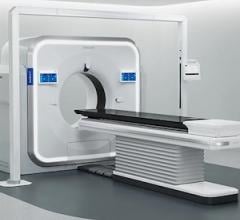
January 3, 2011 — Emergency patients presenting with acute abdominal pain feel more confident about medical diagnoses when a doctor has ordered a computed tomography (CT) scan, and nearly three-quarters of patients underestimate the radiation risk posed by this test. The results of a study assessing patient perceptions of radiation exposure and risk were reported online in Annals of Emergency Medicine.
In the article, “Patient Perceptions of Computed Tomographic Imaging and Their Understanding of Radiation Risk and Exposure,” lead study author Brigitte M. Baumann, MD, MSCE, of the Department of Emergency Medicine at the University of Medicine and Dentistry of New Jersey in Camden, said, “Patients with abdominal pain are four times more confident in an exam that includes imaging than in an exam that has no testing. Most of the patients in our study had little understanding of the amount of radiation delivered by one CT scan, never mind several over the course of a lifetime. Many of the patients did not recall earlier CT scans, even though they were listed in electronic medical records.”
Researchers surveyed 1,168 patients with nontraumatic abdominal pain. Twenty percent reported confidence in a medical evaluation that included patient history and physical exam only. Ninety percent reported confidence in a medical evaluation that included patient history, physical exam, blood work and CT scan.
“Physicians use abdomen-pelvis CT scans because they have been demonstrated to increase certainty of diagnosis, decrease the need for emergency surgery and avert up to a quarter of hospital admissions,” said Dr. Baumann. “At the same time, there is growing concern about the long-term consequences of CT scans, particularly in patients who receive many of these scans over the course of their lifetime.”
Seventy-five percent of patients underestimated the amount of radiation delivered by a CT scan, and only 3 percent understood that CT scans increased a person’s lifetime risk of cancer.
“A recent FDA initiative aimed at reducing unnecessary radiation exposure from medical imaging is primarily focused on physician practices and providing patients with a record of their imaging history,” said Dr. Baumann. “This is commendable, but it does not address patient expectations. Our findings demonstrated that the current patient awareness efforts are not sufficient. As great a diagnostic tool as CT is, we need to do a better job of educating our patients about the risks associated with CT scans.”
Annals of Emergency Medicine is the peer-reviewed scientific journal for the American College of Emergency Physicians, a national medical society.
For more information: www.acep.org
 October 19, 2026