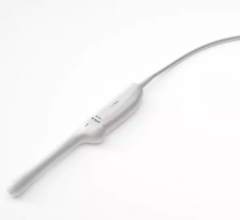
Photo: Getty Images
Sept. 2, 2026 – Sonex Health and The Institute of Advanced Ultrasound Guided Procedures have announced publication of final two-year data demonstrating the safety and efficacy of ultrasound-guided carpal tunnel release (UGCTR) using UltraGuideCTR in an office-based procedure. The results, published in Plastic and Reconstructive Surgery – Global Online, represent the longest and largest prospective evaluation of patients treated with an office-based UGCTR procedure to date. The study concludes office-based UGCTR procedures are safe and effective with rapid and durable symptom improvement, short recovery and return to activities and work, no revisions for persistent or recurrent symptoms, and consistently high patient satisfaction through two years.
ROBUST (Multicenter Prospective Trial of Office-Based Carpal Tunnel Release with Ultrasound Guidance) is a prospective, multicenter, observational study evaluating 149 patients and 226 hands who were treated with an office-based UGCTR procedure using UltraGuideCTR. Conducted across seven centers in the United States, including six private practice clinics and one academic medical center, all procedures were performed in a clinic setting using only local anesthesia. With over 92% of patients completing the two-year follow-up assessments, these long-term data reinforce the early six-month results previously published in the Journal of Hand Surgery Global Online.
Ultrasound-Guided Carpal Tunnel Release
“This important study demonstrated ultrasound-guided carpal tunnel release can be performed safely and effectively in an office setting, making this treatment option more accessible and convenient to patients across the U.S.,” said Dr. Ashley Pistorio, associate professor and plastic surgery residency program director at the University of Nevada, Las Vegas and the study’s principal investigator. “As someone who also had simultaneous bilateral UGCTR, I am excited to offer this treatment option to my patients and share my personal experiences firsthand.”
Key takeaways from patients treated with an office-based UGCTR procedure include:
-
Symptoms improved rapidly within the first two weeks and relief was sustained through two years.
-
Patients returned to activities and work at two and four days, respectively.
-
Overall satisfaction with the procedure remained consistently high during follow-up, with the highest value of 95.7% reported at two years.
-
All procedures were completed using only local anesthesia in a clinic setting.
-
52% of patients had simultaneous bilateral procedures; unilateral and bilateral procedures were similarly safe and effective.
-
There were no revisions for persistent or recurrent CTS symptoms.
"UGCTR is an excellent example of how minimally invasive breakthrough technologies improve clinical and practical outcomes for patients while reducing healthcare costs,” said Sonex Health President and CEO Bob Paulson. “As the authors noted in this publication, office-based UGCTR delivers potential advantages over facility-based procedures including reduced overhead costs, shorter scheduling intervals, elimination of general anesthesia, faster recovery, and higher patient satisfaction. With a new Category I CPT code offering comprehensive payment in all sites of service, expanding patient access to the clinic setting greatly benefits patients, physicians, and the entire healthcare system.”
This published data will further strengthen the UGCTR evidence base with 21 peer-reviewed publications representing more than 2,200 patients and 2,800 hands. Collectively, these peer-reviewed publications will be used to inform and educate physicians, patients and payors about the benefits of UGCTR.


 October 07, 2026