June 14, 2012 — Addicts unable to kick a cocaine habit could one day be vaccinated against cocaine and see proof with a molecular imaging technique that shows how the vaccine prompts antibodies to whisk away the drug before it can reach the brain, said researchers at the recently concluded 59th Annual Meeting of the Society of Nuclear Medicine, held in Miami Beach, Fla.
“Vaccination offers a whole new treatment paradigm for drug addiction,” said Shankar Vallabhajosula, Ph.D., professor of radiochemistry and radiopharmacy in the department of radiology at Weill Cornell Medical College of Cornell University in New York City. “Not only can molecular imaging, based on a dopamine transporter (DAT) positron emission tomography (PET) scan, provide objective proof that this vaccine is working as a treatment for cocaine addiction, but it could also potentially be used to assess the effectiveness of vaccines for heroin, nicotine and other addictions.”
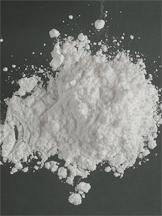
Cocaine is an illicit and highly addictive drug that can have a devastating impact on the lives of users and their loved ones once addiction sets in. According to the National Institute on Drug Abuse, there were approximately 1.4 million people known to be addicted to cocaine across the United States in 2008. Of these, approximately 359,000 were using crack cocaine, a dangerously addictive cousin of powdered cocaine that has been chemically processed and made solid for smoking. Far more than any other age group, adults between the age of 18 and 25 have the highest rate of current use. An estimated one in four drug-related visits to the emergency department is cocaine-related.
The high produced by cocaine occurs when the drug crosses the blood-brain barrier and stimulates neural centers that interact with dopamine, a naturally occurring neurotransmitter involved in pleasure and reward. The drug binds to dopamine transporters on the surface of neurons in these areas and inhibits the neurotransmitter from leaving the synapses between neurons signaling reward, creating a rapid and intense rush of euphoria and a feeling of increased energy for a short period of time. Tolerance builds quickly in chronic users, leading to addiction and the potential for many adverse health effects, including cardiovascular and respiratory disease. Habitual users may also find it difficult to feel the same pleasure from everyday activities as a result of cocaine’s effect.
The investigative vaccine, dubbed dAd5GNE and developed by Ronald Crystal, M.D., professor and chairman of genetic medicine at Weill Cornell Medical College, works by combining a cocaine-like molecule with part of the common cold virus. Once inside the body, the immune system recognizes the viral particles, which then send out antibodies that bind cocaine in blood and prevent cocaine from entering the brain. The vaccine thereby prevents interaction with dopamine transporters and eliminates an addict’s ability to get high from cocaine.
For this study, researchers evaluated PET for its ability to provide evidence of the vaccine’s biological effect. PET reveals physiological information about the body based on positron signals emitted by injected imaging probes. This particular technique uses a molecular imaging probe called [C-11]PE2I, a cocaine analog that allows scientists to gauge the impact of the vaccine because it, too, binds to specific proteins in the brain called dopamine transporters.
PET studies of the brain show that the basal ganglia, which play a key role in the brain, are lit up like fireworks in a vaccinated brain, but are dimmer in the addicted brain because the imaging probe must compete with cocaine already interacting with dopamine transporters.
“This study reaffirms the beauty of the vaccine and demonstrates that PET imaging with tracers targeting dopamine centers in the brain are a powerful tool for assessing addiction,” says Vallabhajosula.
The vaccine is currently being researched in animal models and will need to continue through clinical trials before it can be administered to the public to curb cocaine addiction. An inoculation against this and other addictions could potentially save lives and cut down on the money and time people spend trying to quit.
Scientific Paper 412: Shankar Vallabhajosula, Anat Maoz, Michael Synan, Paresh Kothari and Douglas Ballon, Radiology and Citigroup Biomedical Imaging Center, Weill Cornell Medical College of Cornell University, New York, NY; Martin Hicks, Bishnu De, Jonathan Rosenberg, Stephen Kaminsky and Ronald Crystal, Genetic Medicine, Weill Cornell Medical College of Cornell University, New York, NY, “Disrupted adenovirus-based anti-cocaine vaccine: Assessment of efficacy based on PET dopamine transporter (DAT) imaging and cocaine challenge,” SNM’s 59th Annual Meeting, June 9–13, 2012, Miami Beach, Fla.
 October 19, 2026