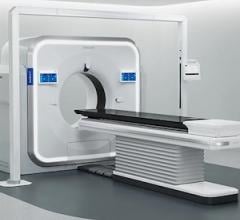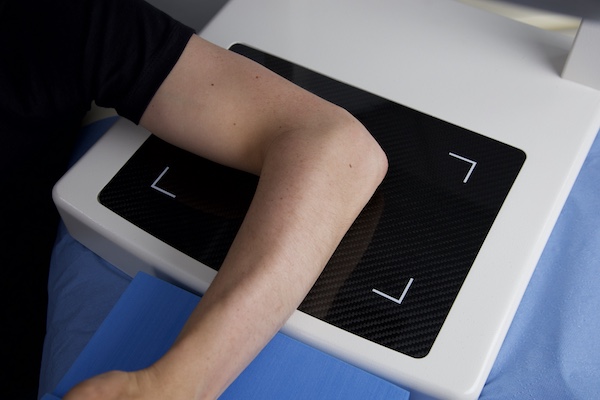
3D X-ray technology uses a fraction of the radiation dose of traditional CT systems and produces images in as little as 20 seconds, providing clinicians with better visibility of bone structures and enabling more accurate diagnoses.
Imaging is a crucial diagnostic, treatment and monitoring tool in modern medicine. From diagnosis to disease management, having access to timely, accurate images can help clinicians and patients evaluate disease progression or healing, and inform treatment plans.
Access to imaging is not without its challenges, though.
Clinicians must weigh multiple factors — image quality, radiation dose, urgency, cost, radiologist availability and more — before choosing the best imaging method. MRI and CT are often considered the "gold standard," but they can be expensive, in short supply and hospital based. For non-urgent cases, patients may face weeks or even months of delay.
In many cases, more accessible tools like X-ray or ultrasound are used for initial assessments. Yet most imaging still takes place in hospital departments, requiring patients to move between sites or return days later for results and treatment plans. This can add stress, prolongs pathways and increase system pressure.
What If There was a Different Way?
Following the general election in the United Kingdom in 2024, the incoming Labour government outlined its plans for NHS service transformation, with a clear focus on three shifts: Moving from an analog system to a digital one; providing more care in community settings rather than hospitals; and shifting focus from treating sickness to preventing ill health. The newly-published 10-year plan places its focus on creating a Neighborhood Health Service — with more services delivered away from hospital settings, at a time and place that is more convenient for patients — and the arrival of next-generation imaging technology has a key role to play in achieving this goal.
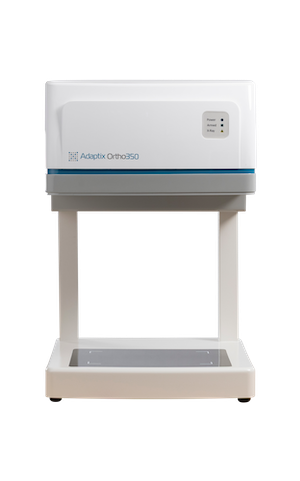
For example, a 3D X-ray technology developed in Oxford, United Kingdom is now making its way into human orthopedic practice around the world after originally being deployed in the veterinary market. This standalone, table-top or cart-mounted digital imaging technology offers 3D X-ray imaging of upper and lower extremities — including hands, wrists, shoulders, elbows, as well as weight-bearing images of knees, ankles and feet. It uses a fraction of the radiation dose of traditional CT systems and produces 3D images in as little as 20 seconds, providing clinicians with better visibility of bone structures than traditional 2D X-rays; and enabling more accurate diagnoses.
Without the same power and enhanced radiation shielding requirements of traditional imaging modalities, these new digital imaging technologies mean detailed 3D images can be obtained in triage centers, community health and diagnostic centers, GP surgeries, private clinics, ambulances or nursing homes alike.
This can speed up diagnosis and treatment pathways and reduce wait times, unnecessary hospital appointments and admissions. All while freeing-up hospital-based imaging suite capacity for patients with more complicated requirements.
Operationally, mobile 3D imaging offers a scalable, cost-effective solution to imaging backlogs, supporting more efficient triage, and streamlining elective and emergency pathways. It also supports more accurate, earlier diagnosis of conditions such as rheumatoid arthritis — enabling better long-term outcomes through early intervention.
Operational and Financial Benefits
From a management perspective, this new wave of imaging technologies also brings a range of operational and financial improvements, making wide-scale adoption an investment, rather than a cost-based decision. For example, supporting older, frailer patients with community-based imaging services can reduce the distress and confusion caused by traveling to and from hospitals that can lead to greater care needs, as well as reducing time spent driving community ambulances around the countryside to collect and drop off patients.
The demand for MR and CT imaging is constantly rising. The expansion of newer 3D imaging modalities could reduce demand for these alternatives, optimizing the use of hospital-based scanners for complex imaging.
Traditional 2D X-rays also may miss subtle injuries because of other overlying anatomical structures. Upgrading initial imaging to 3D X-ray technologies allows clinicians to review images layer-by-layer in almost real time, reducing the likelihood of misdiagnosis, improving patient outcomes and reducing the costs of insurance claims.
In most cases, these were because appropriate images were not requested, further 3D imaging was indicated by national guidance but not completed — due to not recognizing the need or process delays — or errors were made due to low-grade initial image quality.
Adopting mobile 3D imaging instead could help reduce these risks significantly while reducing wait times and freeing hospital-based resources for those who need them most.
If we want to create a healthcare system that is genuinely fit for the future, investing in new technologies is a crucial part of the process. From mobile camera apps that analyze potential skin cancers to AI analysis tools that help radiologists and clinicians make better diagnoses more quickly, imaging technology is evolving quickly. Used well, it has the power to transform healthcare services for patients, clinicians, and managers alike. Yes, it will inevitably mean reviewing and evolving existing practices, but the potential benefits are significant.
As our population ages and health needs become more complex, the healthcare system needs to adapt to meet these new challenges. Adopting digital imaging technologies such as 3D X-ray, is just one piece of the jigsaw puzzle, but one that has the power to improve outcomes for patients across departments, empowering clinical teams to do more with less, reducing wait times and freeing-up existing, hospital-based imaging resources for those who need them most.
 Siân Phillips, MD, is a consultant radiologist in the National Health Service and chief medical officer at Adaptix, Oxford, England, United Kingdom.

 October 08, 2026