September 22, 2015 — Frost & Sullivan released its list of top medical technologies for 2015, featuring an array of sophisticated inventions in medical devices, diagnostics and imaging. These innovations have given birth to less expensive and flexible healthcare solutions; playing a critical role in managing the increasing frequency of chronic diseases around the globe.
Analysis reveals growth in the healthcare industry will center around the following 10 technologies:
- Surgical robots;
- Digital pathology;
- Neuroprosthetics;
- Surgical lasers;
- Smart pills;
- Optical imaging;
- Health informatics;
- Integrated vital signs monitoring;
- Artificial organs; and
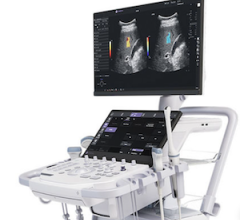
- Four-dimensional (4-D) ultrasound imaging.
New modalities such as neuroprosthesis and hybrid imaging are moving towards commercialization. Technologies already in the early commercialization phase, including smart pills and surgical robots, will find widespread uses across applications.
“The strong merits of the top 10 medical device and imaging technologies attract the attention of large and small healthcare companies alike,” said Frost & Sullivan TechVision Senior Research Analyst Bhargav Rajan. “Traditionally, cautious tier-1 firms stake claim in these pioneering modalities directly or indirectly through funding, tie-ups and acquisitions.”
A common thread connecting the 10 solutions is their scope for convergence with non-medical platforms. Innovations in electronics, sensors, information technology and advanced manufacturing are actively powering product and technology progress in medical and imaging devices. Non-healthcare businesses such as Google and IBM invest in these technologies.
“Stringent regulatory requirements as well as a competitive intellectual property landscape prolong the time-to-market and strain returns on investment,” noted Rajan. “Collaborative and multi-cluster advancements in conjunction with non-healthcare industries will significantly reduce development times and lower barriers to market entry.”
Once commercialized, these multidisciplinary medical and imaging devices with long lifespans will consistently influence market potential, research and development, and global adoption over several years.
For more information: www.frost.com

 October 23, 2026