May 12, 2010 - Increased detection and treatment of abdominal aortic aneurysms (AAAs) and peripheral arterial disease (PAD) will drive the U.S. peripheral vascular device market to over $5.3 billion by 2016, according to a new report by iData Research.
PACSman: I love how I’m given a list of the "Top 10 PACS Issues" to comment on, and it’s 19 items long. Mars and Venus says it all, if it wasn’t a list drawn up by a guy. Although, maybe Ms. PACS translated it into 19, adding her own stuff that isn’t in bold, which makes more sense. Who knows.

May 11, 2010 - Hybrid scanning systems are increasingly being used to improve tumor identification, treatment delivery and monitor treatment effectiveness.

May 11, 2010 - “Echocardiographic quantification is crucial in the diagnosis and management of patients with acquired and congenital heart disease,” said Leo Lopez, M.D., FASE, of Children’s Hospital at Montefiore, Bronx, N.Y., in a report published in the May issue of the Journal of the American Society of Echocardiography (JASE).

May 10, 2010 - The Centers for Medicare and Medicaid Services (CMS) just released a technical correction to the 2010 Medicare Physician Fee Schedule, which results in payment increases for myocardial perfusion imaging (MPI), cardiac computed tomography (CT), and cardiac catheterization codes.


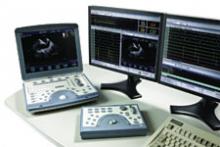
Intracardiac echocardiography (ICE) offers a clearer view of transcatheter devices and electrophysiology (EP) procedures from inside the heart.


May 6, 2010 - The most demanding clinical environments require the highest performing, fastest and most reliable imaging equipment.

To meet this tough standard, Konica Minolta Medical Imaging recently released the Xpress DR (digital radiography) system, a total room digital radiography solution suited for high-volume radiography environments.

May 5, 2010 - Emergency department use of 256-slice computed tomography angiography (CTA) can help physicians triage patients with indeterminate chest pain without the need for additional diagnostic testing which can be costly and time consuming, according to a study to be presented at the American Roentgen Ray Society (ARRS) 2010 Annual Meeting in San Diego, Calif.


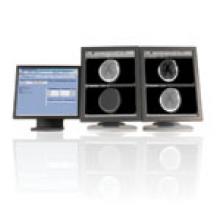
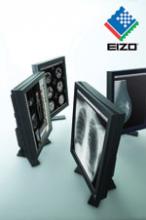
Until recently, medical-grade flat panel displays have been the obvious choice for reading diagnostic imaging exams. But advances in commercial off-the-shelf (COTS) display technology coupled with a lower list price have prompted many radiology groups to make the controversial decision to choose commercial-grade over medical-grade displays.


Only the strong and most wired will survive.
This never rang so true for outpatient imaging centers as it does today. With drastic cuts in medical imaging reimbursements, imaging centers must be more nimble than ever. The centers that implement information technology (IT) to leverage interoperability, track business trends, protect data, and enhance patient safety are securing their future.


Subscribe Now