May 7, 2026 — Openwater, an open-source medical technology company has announced a collaboration with the Sharma Lab, a multidisciplinary research group in the Lampe Joint Department of Biomedical Engineering at North Carolina State University and the University of North Carolina at Chapel Hill, focused on designing rehabilitation interventions for people with neurological disorders. The research teams at NC State and UNC-Chapel Hill will deploy Openwater’s open low-intensity focused ultrasound (LIFU) device to study its feasibility and potential effects, including in comparison to invasive procedures such as deep brain stimulation (DBS), or drug-based therapies.
Low-Intensity Focused Ultrasound
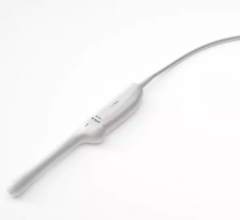
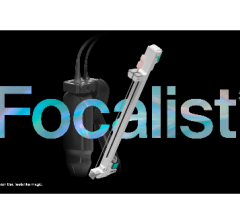
Open-LIFU is a portable, noninvasive device that delivers low-intensity focused ultrasound to targeted regions in the body and brain. Led by Nitin Sharma, Ph.D., an associate professor in the Lampe Joint Department of Biomedical Engineering at NC State and UNC-Chapel Hill, the Sharma Lab specializes in rehabilitation engineering and control systems. The researchers plan to study focused ultrasound (FUS) neuromodulation as a potential means to modulate neural activity and assess its effects in patients with spinal cord injuries and neurological disorders.
One application, led by Dr. Irena Dujmovic Basuroski, a multiple sclerosis and neuroimmunology specialist from the University of North Carolina Department of Neurology and the Bodford Family Transverse Myelitis Center, aims to investigate the potential of FUS to improve symptoms in patients with transverse myelitis (TM). TM is a rare disorder in which the spinal cord is inflamed, leading to pain, spasticity (increased muscle tone), mobility complications, and loss of bowel or bladder function. Her research using Open-LIFU is among the first studies to investigate FUS in humans for potential TM symptom relief. The study will specifically focus on patients at a stage where there is a limited chance for more functional recovery.
Dr. Daniel Roque, a movement disorders specialist from the University of North Carolina Department of Neurology, will use Open-LIFU to study essential tremor. His research will investigate temporary modulation of tremor pathways by targeting both the brain and spinal cord with FUS. This approach aims to explore the mechanisms underlying tremor and to better understand how the peripheral and central nervous systems communicate. Existing FUS treatments for tremor often involve tissue ablation and require extensive machinery, which may limit repeatability or broader use. Open-LIFU enables a portable, nonablative, and modular approach to safely test CNS pathways.
“Ultrasound neuromodulation could provide a noninvasive way to modulate spasticity by focusing on pathological circuits in the spinal cord,” said Sharma. “If we can determine that ultrasound is effective in modulating spasticity or essential tremor, it will be very exciting to offer a noninvasive alternative that allows us to more precisely target specific neural circuits.”
Open-LIFU’s adaptable design and open-source software make it suitable for researchers to customize and modify the device for a wide range of research and potential clinical applications. The system is already in active use at U.S. and international institutions like the Massachusetts Institute of Technology (MIT) and Hospital del Mar Research Institute in Barcelona. Early research, including studies from the University of Arizona, suggests potential applications of Open-LIFU for treating neurological disorders, cancer, and mental health disorders like anxiety and depression.
“For decades, treatment development has largely followed a one-disease, one-drug model, often with significant side effects,” said Aaron Timm, CEO of Openwater. “Our partnership with the Sharma Lab and UNC researchers will explore how Open-LIFU may offer a noninvasive way to target specific neural circuits across different conditions, giving researchers and patients a more precise alternative to medication or surgery.”
To learn more about Openwater and its open-source devices, visit www.openwater.health.

 September 30, 2026