Getty Images
May 6, 2024 — Enable Me, a VELA Medical company, cited major new research by Siemens Healthineers entitled, “The future of Mammography: 4 critical challenges,” which cites poor workplace ergonomics and physical stress and strains as among the chief reasons for high radiologist turnover and fewer graduates entering the profession.
The four critical challenges examined in the report include:
- Expand high-quality 3D mammography screening
- Limit inconclusive results and improve accuracy
- Reduce dose exposure
- Improve ergonomics/staff satisfaction amidst ongoing staff shortages
“We have known from previous research and testimonials from radiologists we have interviewed that safe seated mammography for patient exams can address two of those four critical challenges,” said Mike Laky, president of Enable Me, a national leader in safe seated mammography technology.
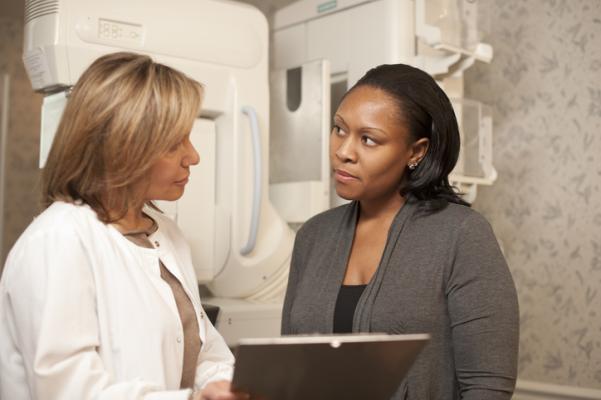
“Using a clinically designed, wheeled and height-adjustable appliance with a push bar such as the VELA Mammography Chair allows the technologist to comfortably roll the patient into place without having to put physical pressure on her upper torso or the technologist’s wrist, elbow, shoulder and back,“ Laky explained. “And because the patient is safely seated and stable, image accuracy can be improved.”
The Siemens researchers, based in Germany, wrote that turnover in the radiology profession is estimated at 17.5% annually. “Administrators must confront the scarcity of qualified personnel alongside the growing demand for breast cancer screening services. To maintain satisfaction of existing staff, they should also look for ways to limit workforce injuries and make work easier to improve efficiencies.”
They found that an alarming 60% of female technologists suffer from physical strain and repetitive workplace injuries often attributed to difficulties in accommodating individual patient needs.
Click here for a link to download the Siemens report.
More research findings
A 2018 study by Nottingham University Hospitals in England concluded: “Conventional mammography technique requires the mammographer to move into awkward and strenuous positions with the patients standing throughout the procedure. The study reported that repetitive movements adopted by the mammographer have been associated with work-related musculoskeletal disorders, resulting in long-term sickness.

 October 30, 2026