Getty Images
May 21, 2020 — Despite facing challenges such as limited access to personal protective equipment (PPE) following the COVID-19 outbreak, radiation oncology clinics quickly implemented safety and process enhancements that allowed them to continue caring for cancer patients, according to a new national survey from the American Society for Radiation Oncology (ASTRO). All 222 physician leaders in the survey, which was in the field April 16-30, said their practices continued to provide radiation therapy services during the early weeks of the pandemic, yet 85% also reported declines in the number of patients seen, by an average of one-third.
Once the COVID-19 threat was apparent, radiation oncology clinics adapted their safety protocols so they could continue to care for patients and protect their staff, although 69% experienced limited access to or shortages of PPE. Protective measures included, for example, requiring masks for staff (99%) and patients (83%), screening patients at the clinic door (98%), social distancing (98%) and not allowing visitors (90%).
"Safety has always been at the forefront of radiation oncology, and when the COVID-19 threat emerged, clinics quickly updated their safety protocols to minimize exposure risk and protect their patients and staff. The rapid adoption of masking, social distancing and other protective measures meant that radiation oncologists largely have been able to be resilient and provide care without compromise throughout the initial months of this pandemic," said ASTRO Board Chair Theodore L. DeWeese, M.D., FASTRO.
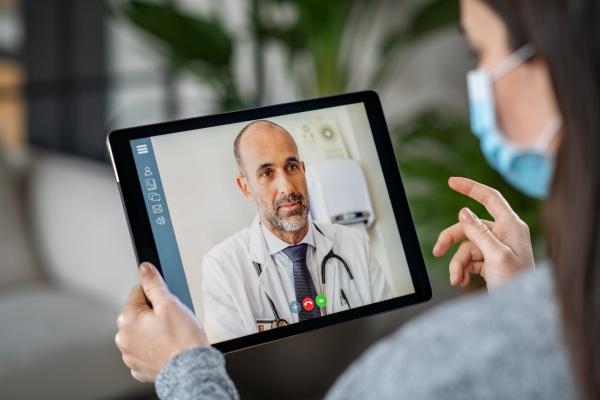
Telehealth patient consultations also emerged as an important aspect of continuing care. Radiation oncology clinics quickly adopted telemedicine consultations, with nearly all respondents saying this was a new offering for their patients. In the survey, 89% of respondents said their clinics offered patients telemedicine options for consultations and follow-up visits.
Despite these changes, patient volume declined substantially at most radiation therapy clinics. On average, physicians said they were seeing two-thirds of their typical number of patients. These decreases were due mostly to delayed/deferred treatment (82%) and fewer patients being referred for radiation therapy (81%) by other physicians.
The survey also pointed to financial challenges caused by COVID-19. All respondents estimated their clinics would lose revenue, most commonly in the range of 21-30%. Freestanding radiation oncology clinics are expected to face disproportionately higher financial difficulty, with one in five predicted to lose more than half of its annual revenue due to the pandemic.
"The emergency relief funding and flexibilities from the Congress and the Trump Administration provided a lifeline for radiation oncology clinics. It will not be enough to sustain hard-hit practices that will continue to experience decreased treatments, however, as patient volumes likely decline further due to recent drops in cancer screenings, biopsies and surgeries. ASTRO continues to ask Congress and the Administration for more resources and direct financial assistance to support radiation therapy practices and the patients they serve," said DeWeese.
The majority of practices experienced staff reductions, due mainly to declines in patient volume (49%) and increased family care responsibilities (28%). Very few had reductions due to COVID-19 illness among staff members (11%).
This is the initial report of a longitudinal survey, and future reports will examine changes over time. Survey details are available in the Executive Summary.
In response to the COVID-19 outbreak, a workgroup convened by ASTRO leadership issued clinical guidance for radiation oncology practices in mid-March. Resources include FAQs that address common questions and a summary of the recommendations. ASTRO also collaborated with the European Society for Radiotherapy and Oncology (ESTRO) to publish guidelines for lung cancer radiotherapy and head and neck cancer radiotherapy during the pandemic.
Radiation oncologists shared their experiences and advice for patients and fellow providers via case reports and research in ASTRO's peer-reviewed journals, blog posts with provider stories, and webcasts including an update on radiation oncology care with the National Coalition for Cancer Survivorship and a discussion of cancer patient safety with the Infectious Disease Society of America.
"Although COVID-19 has presented us with unprecedented challenges and forced us to think anew, our goals as radiation oncologists remain unaltered," said DeWeese. "We stand resilient and ready to care for our patients, today and always."
ASTRO also continues to advocate for patients and practices on Capitol Hill, with emphases on PPE for medical providers, health insurance protections for patients, and direct financial aid for practices losing revenue due to declines in patient visits.
For more information: www.astro.org
Related teleradiology coverage:
Telehealth to Experience Massive Growth Due to COVID-19
Survey Reveals Most Medical Practices are Now Using Telehealth Due to COVID-19
Unprecedented CARES Act Signed into Law
VIDEO: Use of Telemedicine in Medical Imaging During COVID-19
 October 07, 2026