August 1, 2018 — Medical imaging has become the bellwether for the application of artificial intelligence (AI) technologies, especially deep learning techniques in the healthcare space, according to a new report from industry analysts Frost & Sullivan. The report, “Artificial Intelligence for Medical Image Analysis—Companies-to-Action, 2018,” indicates that more than 90 companies are at various stages of development and commercialization of AI-based solutions for the medical imaging industry.
The report indicates that this number continues to grow as new startups emerge, the incumbents develop native AI solutions, and technology companies move into the field, creating a highly dynamic collaborative ecosystem amongst players of diverse backgrounds. With many countries edging past the innovator adoption phase and into the early adopter one, the stakeholders should now focus on refining and testing their value proposition, partnership approach and go-to-market strategies.
Frost & Sullivan’s analysis examines:
- Regional differences;
- Regulatory developments;
- Growth opportunities;
- Funding investments;
- Imaging modalities;
- Clinical specialties;
- Organs and disease states targeted by AI solutions; plus
- The top 10 predictions for the future of this industry.
The report also highlights the use cases that will take off in the market and the key companies that will disrupt traditional medical image analysis workflows.
“In looking at the current progress on the research and development (R&D) side, we can already start drawing a parallel between the automotive industry and the advent of self-driving cars and the medical imaging industry where AI-powered self-driving scanners are shaping up,” said Nadim Daher, medical imaging and informatics industry principal. “Smart imaging equipment that can take the driver’s seat in optimizing and personalizing imaging studies for every patient, while accelerating the decision support process and improving image depth all with lower contrast and radiation doses, gives the industry something to look forward to for the next generation of medical imaging systems.”
These advances in AI for medical imaging are evident all across the globe, but each country has a different incentive and vision. Some developed countries such as the United States require higher productivity and standardization. However, other countries such as the United Kingdom need to address shortages and higher wait times, and the developing ones such as China may need it to build access and expertise to improve diagnosis rates.
Future growth opportunities in this market, according to Frost & Sullivan, include:
- Acceleration, automation and augmentation of medical image analysis;
- Cloud-based, on-demand access through medical imaging AI marketplaces;
- Cognitive applications to orchestrate and optimize the medical imaging workflow; and
- The advent of intelligent medical imaging machines with embedded AI.
The regulatory agencies are granting approvals for AI-based solutions and opening doors for commercialization, allowing for the billions of dollars invested in the development of these technologies to see some return on investment (ROI) in the coming years.
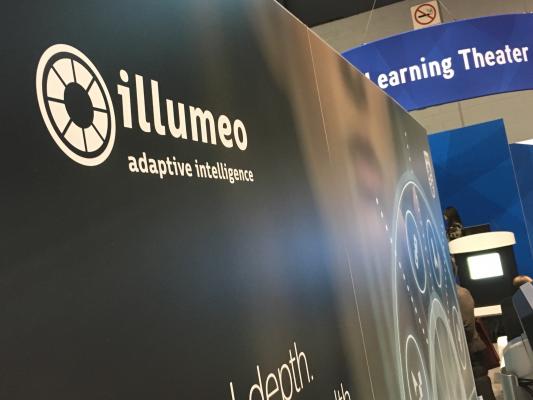
“Adaptive intelligence, augmented intelligence, ambient intelligence, anatomical intelligence, assistive intelligence, applied intelligence — these are just some of the flavors of the AI acronym that have been coined by medical imaging vendors over the last few years. While everyone will agree AI is not the panacea to every challenge faced in medical imaging, it is startling to see the pace at which the capabilities are advancing, the use cases solidifying, and the market adoption rising,” noted Siddharth Shah, transformational health industry analyst.
For more information: ww2.frost.com

 October 08, 2026