Image courtesy of Philips
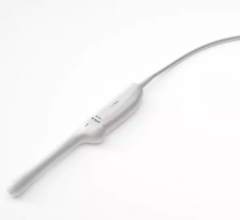
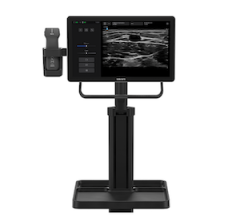
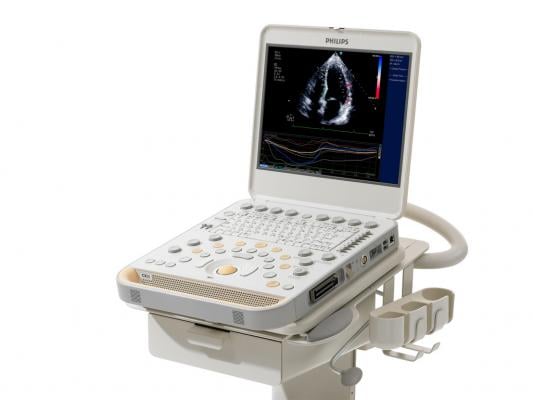
September 25, 2015 — At the 2015 IEEE High Performance Extreme Computing Conference (HPEC ‘15), ContextVision presented new results of research conducted with Texas Instruments (TI) and High Performance Consulting. The study outlines the achievement of low latency, reduced memory footprint and low power consumption through data streaming, specifically as a modification to portable ultrasound imaging devices.
“Portable medical imaging is an invaluable resource in the medical field,” said Mark Nadeski, director of business development in the Medical Business Group of TI. “What’s more, portable imaging devices are critical in bringing these capabilities to places and situations where mobility is important, where space is limited or when imaging needs to take place in the field. For medical professionals such as first responders and those in military forces, it is crucial to have a system that allows for immediate, accurate diagnosis on site.”
“Modern portable devices use new power-saving signal acquisition techniques such as synthetic aperture during beamforming,” said Ian Wainwright from High Performance Consulting. “Streamlining the acquired data enables the acquisition stages to use only a fraction of the power that was necessary for earlier designs while significantly increasing the frame rate.”
“Most of the existing middleware and software frameworks are not well suited for this type of processing model,” said Olivier Bockenbach, design architect and senior system engineer at ContextVision. “Implementing leading-edge image processing algorithms with data streaming requires revolutionary frameworks.”
As a result of this study, latency was kept at the strict minimum, while the required processing power was reduced when compared to traditional image-based implementations. Researchers in particular highlighted the performance of TI’s C66x Keystone DSP architecture.
For more information: www.contextvision.com

 October 07, 2026