August 14, 2015 — Combining intensity-modulated radiotherapy (IMRT) with chemotherapy to treat locally advanced oropharyngeal (head and neck) cancer improves long-term health-related quality of life (HRQOL) outcomes, according to a University of Michigan study. The research shows this approach spares the swallowing and salivary organs.
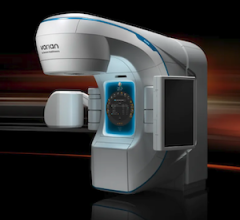
IMRT is advanced therapy that closely conforms the radiation dose to the size, shape and location of the tumor to minimize complications in surrounding healthy tissues. The researchers compared outcomes between combining chemotherapy with IMRT versus combining chemotherapy with conventional radiotherapy techniques. "Our study shows that patients with locally advanced head and neck cancer treated with chemo-radiation using swallowing and salivary-organ sparing IMRT techniques experienced stable or improved health-related quality of life outcomes six years later," said Avraham Eisbruch, M.D., Department of Radiation Oncology, University of Michigan. "This contrasts significantly with prior reports about HRQOL outcomes after chemo-radiation using conventional radiation therapy techniques. The long-term benefits and reduced side effects for IMRT patients included less dry mouth, fewer swallowing difficulties and greater freedom from dependence on feeding tubes."
In September 2013, Eisbruch, along with lead study authors Jeffrey Vainshtein, M.D., Dominic Moon, M.D., and several other colleagues enrolled 40 patients in a long-term health-related quality of life study, which required them to complete questionnaires regarding long-term outcomes and side effects. All of the patients had been treated for stage III/IV oropharyngeal cancer between May 2003 and January 2011 using chemo-IMRT swallowing and salivary-organ sparing techniques. The median follow-up after chemoradiation treatment was 6.5 years. At the time of this study, all patients were free of head and neck cancer.
While chemo-radiation therapy (CRT) has long been considered the standard-of-care for patients with locally advanced head and neck cancer, CRT using traditional radiotherapy techniques often caused severe side effects, such as dry mouth and swallowing difficulties, resulting in feeding tube dependence and other complications that reduced the quality of life. Conversely, patients in this study who were treated with swallowing and salivary organ-sparing chemo-IMRT reported, more than six years after treatment, that they were experiencing stable or improved health-related quality of life outcomes, with the majority of patients experiencing freedom from feeding tubes (97.5 percent), dry mouth, and swallowing problems (95 percent).
"Although this study was small in size, it contains some of the first really long-term data we have to show that, by using swallowing- and salivary structure-sparing chemo-IMRT to treat locally advanced head and neck cancer, we can significantly impact our patients' post-treatment quality of life," Eisbruch said. "Future advances in swallowing and salivary organ-sparing chemo-IMRT techniques may enable us to improve health-related quality of life outcomes even more."
Results of the study were published in the International Journal of Radiation Oncology • Biology • Physics.
For more information: www.redjournal.org

 October 01, 2026