June 2, 2015 - New research has found that esophageal cancer patients treated with proton therapy experienced significantly less toxic side effects than patients treated with older radiation therapies. The research was conducted by scientists at the University of Maryland School of Medicine.
Michael Choung, M.D., assistant professor of radiation oncology at the university, worked with colleagues at the Mayo Clinic in Rochester, Minnesota, and the MD Anderson Cancer Center in Dallas to compare two kinds of X-ray radiation with proton therapy - a precise approach that targets tumors while minimizing harm to surrounding tissues.
The researchers looked at nearly 600 patients and found that proton therapy resulted in a significantly lower number of side effects, including nausea, blood abnormalities and loss of appetite. The results were presented at the annual conference of the Particle Therapy Cooperative Group, held in San Diego.
"This evidence underscores the precision of proton therapy and how it can really make a difference in cancer patients' lives," said Chuong.
Patients with esophageal cancer can suffer a range of side effects, including nausea, fatigue, lack of appetite, blood abnormalities, and lung and heart problems. Proton therapy did not make a difference in all of these side effects, but had significant effects on several.
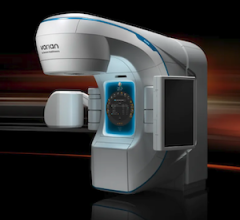
The results have particular relevance for the University of Maryland School of Medicine, as this fall the school will open the Maryland Proton Treatment Center (MPTC). The center will provide one of the newest and most highly precise forms of radiation therapy available, pencil beam scanning (PBS), which targets tumors while significantly decreasing radiation doses to healthy tissue. This technique can precisely direct radiation to the most difficult-to-reach tumors.
Proton therapy is just one of several new methods for treating cancer. Others include:
- Selective internal radiation therapy, a precision modality for treating patients with particularly difficult-to-remove tumors involving the liver such as those from colorectal cancers;
- Gammapod, a new high-precision, noninvasive method of treating early-stage breast cancer; and
- Thermal therapies, the use of "heat" in treating a broad spectrum of malignancies.
The treatment works well for many kinds of tumors, including those found in the brain, esophagus, lung, head and neck, prostate, liver, spinal cord and gastrointestinal system. It is also an important option for children with cancer and is expected to become an important option for some types of breast cancer. While most cancer patients are well served with today's state-of-the-art radiation therapy technology, up to 30 percent are expected to have a greater benefit from the new form of targeted proton beam therapy.
Located at the University of Maryland BioPark, the 110,000 square-foot, $200 million center is expected to treat about 2,000 patients a year.
For more information: www.medschool.umaryland.edu

 October 01, 2026