May 8, 2015 — As the use of point-of-care (POC) ultrasound continues to expand throughout hospitals and clinics, the ECRI Institute has released a new guide to the modality for practitioners. The document explains the difference between POC and traditional ultrasound, the different types of POC ultrasound units and the numerous applications for the technology.
By definition, POC ultrasound refers to the use of medical ultrasound by the treating physician, as opposed to referring the patient to an ultrasound specialist. Typically, POC ultrasound is employed to answer a specific clinical question during an appointment. Using this technique, physicians can quickly determine whether an abnormality is present so that they can make patient management decisions. This also eliminates the need for separate follow-up examinations.
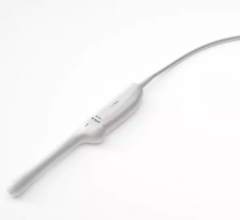
POC ultrasound systems are usually small, portable units, which are easier to move and more cost-effective than the traditional cart models. According to the ECRI Institute, there are three main types of portable scanners:
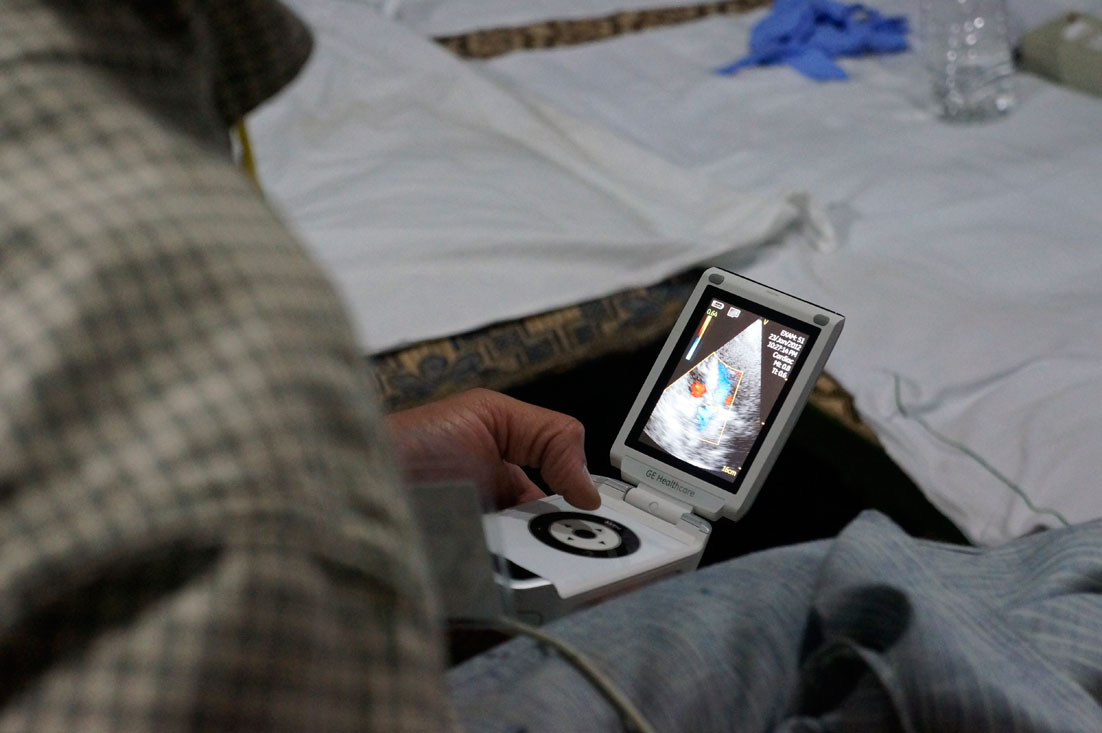
- Handheld scanners are compact enough to be held in one hand during use while the transducer is held in the other hand. Compared to other portable ultrasound systems, these pocket-size devices have the fewest features and imaging capabilities, and therefore have a more limited range of applications. Typically, these models do not support interchangeable transducers, nor do they possess some ultrasound modes (e.g., pulsed-wave Doppler). Furthermore, handheld scanners do not have many of the user-adjustable parameter controls available with other types of scanners.
- Laptop-style scanners are the most complex type of portable scanners. They frequently have many of the same features and capabilities found on cart-based systems such as advanced analysis packages and three-dimensional ultrasound capabilities. In some cases, the only difference between conventional cart-based scanners and laptop-style scanners is that the latter are more compact, lack certain ergonomic features and may not be compatible with specialized transducers.
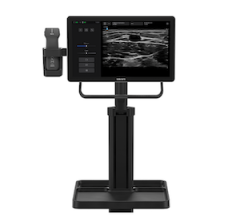
- Tablet-style scanners, as their name implies, resemble tablet computers and have similar user-interface features, including touchscreen-activated controls positioned around the screen on which the ultrasound image is displayed. Although tablet-style scanners can be carried from one location to another, they are commonly attached to a wheeled stand or cart to facilitate portability and ease of use. Compared to handheld models, tablet scanners provide the user with more options in terms of transducers, parameter adjustments and imaging capabilities. However, compared to laptop-style or cart-based scanners, tablet scanners aren’t as fully featured and do not support as many different types of transducers.
The different types of scanners can be applied to a number of different specialties, including:
- Cardiology (assessment for pericardial effusion)
- Family medicine/general practitioner (screen for abdominal aortic aneurysms)
- Hospitalists/ICU/CCU (guide central venous line placement)
According to ECRI, POC ultrasound is also routinely used to guide interventional procedures such as therapeutic injection of medications, and POC ultrasound scanners commonly have features that facilitate use for these interventions.
The ECRI Institute is an independent nonprofit organization that conducts research into the most effective approaches for improving patient care.
For more information: www.ecri.org

 October 07, 2026