April 21, 2014 — Cardiologists and cancer experts at the Mount Sinai Hospital in Manhattan have joined forces to establish its first cardio-oncology clinic at the Tisch Cancer Institute.
The cardio-oncology clinic, located at the Leon and Norma Hess Center for Science and Medicine, is one of the first specialized clinics dedicated to personalized patient risk assessment, prevention, detection and treatment of potential cardiovascular effects from cancer therapy. It is a collaboration between Mount Sinai Heart Hospital and the division of hematology/oncology at Mount Sinai.
Cardio-oncology is an emerging medical field, and the Mount Sinai clinic was established to bring together the collective expertise of cardiovascular and oncology specialists and identify any potential cardiotoxicity issues from chemotherapeutic agents. Moreover, this new collaboration will allow for further in-depth research into the field of cardio-oncology.
“The ultimate objective of the cardio-oncology program is to balance maximal cancer survival with minimizing cardiac damage, and help ensure better long-term health outcomes overall for our cancer patients,” said Randall Holcombe, M.D., director of clinical cancer affairs and director of the Ruttenberg Treatment Center at Tisch Cancer Institute.
“We are excited about this new multidisciplinary collaboration between our oncologists and cardiologists at Mount Sinai to continue our mission to advance medicine and provide the best comprehensive care for our patients,” said Jagat Narula, M.D., Ph.D., director of cardiovascular imaging at Mount Sinai Heart, who along with Holcombe initiated the cardio-oncology program.
“Our cardio-oncology clinic allows each cancer patient to be carefully assessed for any potential cardiovascular health risks due to their chemotherapy regimen in combination with prevention guidance, close surveillance and treatment options, particularly for those who are at high risk,” said Gagan Sahni, M.D., assistant professor of medicine in cardiology at Mount Sinai Hospital, who supervises and coordinates the cardio-oncology clinic.
Sahni added: “Our goal is to avoid having patients come to us after they have developed heart effects in the years following their cancer treatment. We aim to identify those at highest risk for cardiac side effects and intervene early. This timely intervention includes surveillance with latest echocardiographic and imaging modalities, suggesting modification of their cancer treatment and starting additional cardioprotective drugs to limit the potential cardiovascular damage from their chemotherapy.”
“The establishment of our cardio-oncology clinic at Mount Sinai is critical and very timely given this emerging subspecialty of the cardio-oncology field, especially with the advent of newer cancer therapies and the development of more sophisticated cardiovascular imaging methods to detect possible cardiotoxicity from traditional and new chemotherapeutic agents,” said Valentin Fuster, M.D., Ph.D., director of Mount Sinai Heart Hospital and physician-in-chief of Mount Sinai Hospital.
“Currently there are no formal guidelines for the diagnosis and treatment of cardiotoxicity from chemotherapy,” said Narula. “The field is growing internationally with an increase in the published research studying chemotherapy associated cardiac adverse events.”
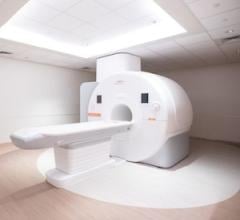
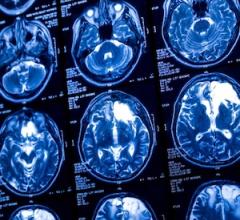
The cardio-oncology clinic offers each cancer patient a personalized assessment of their risk of developing cardiotoxicity, along with access to the latest medical therapy, cardiac imaging techniques ranging from echocardiography to cardiac magnetic resonance imaging (MRI). In addition, the clinic offers consultative services for any cancer patient’s associated cardiac disease on an inpatient or outpatient basis.
“Our cardio-oncology program has cardiologists and oncologists working together to help further protect the hearts of our patients undergoing cancer treatments and help patients make more informed decisions regarding their cancer treatment options. Eventually this collaboration will lay the foundation for larger clinical trials to better understand cardiotoxicity and thereby establish clearer guidelines for risk stratification, surveillance, and treatment,” said Sahni.
For more information: www.mountsinai.org

 October 07, 2026