February 6, 2014 — The topic of radiation safety and radiation dose monitoring has moved from state-specific regulations to a national trend with The Joint Commission’s (TJCs) recent announcement of their “New and Revised Diagnostic Imaging Standards.” The call for dose management and tracking has graduated from being advised to being mandated — from both a legal perspective and from within the world of healthcare’s patient safety foundation. The question that many organizations find themselves asking is “Where does this leave me?” and “Are we prepared for compliance?”
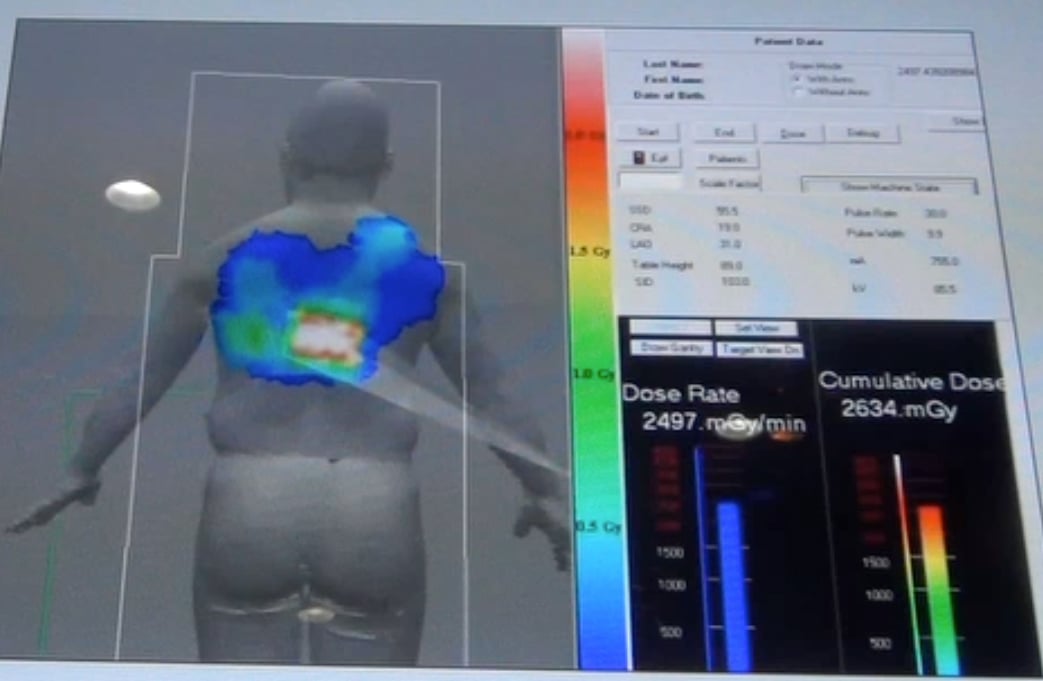
The race to implement reform and effective solutions around radiation dose safety was brought to the forefront when some states took a very progressive initial stance regarding patient safety and quality by creating control measures to govern certain radiology procedures that utilize radiation dose as part of an exam. By creating legislation that mandated the monitoring of radiation dose and reporting of any radiation dose incidents, states such as California and Texas left healthcare providers with no option but to comply with new laws and enhance their radiation safety initiatives. But being compliant does not always equate to a clinically proficient, ”patient first” radiation safety program.
Following the legal reforms, numerous hospitals and healthcare organizations outside of these states quickly embraced the call for radiation dose safety changes by beginning to build more robust radiation safety programs and re-evaluating internal radiation safety practices. Many of these organizations are top tier healthcare providers who are often looked to for setting standards and trends within the healthcare industry. The restructuring of their radiation safety initiatives included enhancing current practices around computed tomography (CT) protocol reviews, the development of incident management policies and procedures, procurement of new technologies and software to track and monitor radiation dose and the revision of general workflows and daily practices for performing radiology exams. Several entities have adopted radiation safety initiatives such as these in an effort to become compliant according to their own organizational standards and goals. With these self-initiated efforts underway, many organizations are ahead of the game, but where will the standardization among efforts come into play?
The answer and call to action came in December 2013 when TJC released their “New and Revised Diagnostic Imaging Standards.” The announcement of TJCs revised imaging standards blankets all TJC accredited hospitals, critical access hospitals and ambulatory health care organizations that provide diagnostic imaging services effective July 1, 2014, with additional requirements to be phased in by 2015. The only question that remains is, “Are you prepared for the integration of and compliance with these new standards?”
In assessing your organization’s preparedness to efficiently and effectively comply with the upcoming standards and regulations, it may be helpful to understand where you stand in forming internal radiation safety policies and whether you are on the path to success or need to drive initiatives harder in order to deliver responsible healthcare.
Organizations not prepared for compliance with TJC standards:
- Lack of organizational radiation safety committee and regular radiation safety meetings
- Radiology exams being performed by unregistered and uncertified technologists
- Inability to track patient radiation dose history or exam history within patient records
- Outdated and sub-standard CT protocol use
- No policies or procedures regarding radiation dose tracking or incident management
Organizations on the path to compliance:
- Organized radiation safety committee that conducts regular standards reviews
- Open communication with clinical staff regarding radiation safety best practices
- Development of a dynamic radiation safety program
- Defined radiation safety incidents and incident management policies and procedures
- Exploration of technical solutions to monitor and capture patient radiation dose
Organizations prepared to comply with and embrace new radiation standards:
- Implementation of a robust and dynamic radiation safety program
- Engaged radiation safety committee and physicist who regulate radiation safety practices and initiatives on a regular basis
- Annual performance evaluations of imaging equipment by a medical physicist
- Registration and certification of all radiology technologists
- Updated protocols for all imaging procedures including the pediatric population
- Method for collecting and storing patient dose data within the patient’s clinical record
- Collection of data on incidents where pre-identified radiation dose limits have been exceeded
With new radiation management spreading throughout the industry, the expectation and demand for optimized radiation safety practices will drive healthcare organizations to implement new methodologies and programs to keep up with highly competitive industry-wide initiatives.
Editor’s note: This article is from the AHRA (Association for Medical Imaging Management) newsletter. Neomi Mullens is a project manager at Ascendian Healthcare Consulting, and a frequent and published contributor to the subject of enterprise dose management and tracking. For more information: www.ascendian.com, ahraonline.org

 October 07, 2026