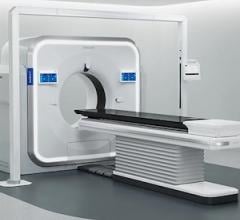
February 26, 2013 — New and updated evidence-based guidelines to help healthcare providers choose the most appropriate medical imaging exam or radiation therapy for a patient’s clinical condition are now available via the latest version of the American College of Radiology appropriateness criteria. These continually updated criteria are a national standard developed by expert panels of physicians from many different medical specialties.
In the latest version, the ACR updated 23 appropriateness criteria topics and added four new criteria — pulmonary hypertension; renal transplant dysfunction; management of locoregionally advanced squamous cell carcinoma of the vulva; and treatment of Stage I T1 glottic cancer. ACR appropriateness criteria guide physicians when ordering exams and help ensure that patients get the right scan or therapy for the right indication. The criteria have also been shown to improve quality, reduce unnecessary exams and lower costs.
“Choosing the most appropriate radiation therapy strategy is essential to the effective and safe treatment of many cancer patients. Use of ACR appropriateness criteria can aid physicians in doing so by providing the latest evidence-based approach for a wide variety of radiotherapy issues,” said Benjamin Movsas, M.D., FACR, chair of the ACR Committee on Radiation Oncology Appropriateness Criteria.
ACR appropriateness criteria provide a tool for more effective clinical decision making to help ensure that imaging is neither over nor underutilized. The guidelines are developed by expert panels in diagnostic imaging, interventional radiology and radiation oncology. Each panel includes leaders in radiology and other specialties. Currently, there are 186 topics with over 900 variants available.
“ACR appropriateness criteria are the most comprehensive evidence-based guidelines available for selection of diagnostic imaging and image-guided interventional procedures. Not only do these guidelines aid referring physicians and other providers in choosing the most appropriate diagnostic imaging and interventional procedures for a wide variety of clinical conditions, they can reduce unnecessary patient and population exposure to radiation, a growing concern of many Americans. I urge every provider to familiarize themselves with these guidelines before making a diagnostic imaging or image-guided interventional treatment decision,” said E. Kent Yucel, M.D., FACR, chair of the ACR Committee on Diagnostic Imaging and Interventional Radiology Appropriateness Criteria.
For more information: acr.org/Quality-Safety/Appropriateness-Criteria
 October 19, 2026