January 25, 2013 — Elekta and Philips Healthcare announced The University of Texas MD Anderson Cancer Center (Houston, Texas) has signed an agreement to join a research group to advance the development of an innovative image-guided treatment technology for cancer care. The technology merges radiation therapy and magnetic resonance imaging (MRI) technology in a single system. MD Anderson is the second member of the research consortium, which will comprise leading radiation oncology centers and clinicians, and already includes the University Medical Center Utrecht (the Netherlands).
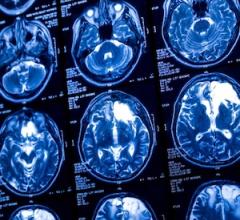
Uniting state-of-the-art MRI with a cutting edge radiation therapy system — thus creating an MRI-guided radiation therapy system — will provide physicians with exceptional images of a patient’s soft tissues and tumor during radiation therapy. This breakthrough innovation also aims to enable clinicians to adapt treatment delivery in real time for the most precise cancer treatments possible.
“The special capabilities of the MRI-guided radiation therapy system — MR-based soft tissue imaging performed simultaneously with treatment delivery — could revolutionize cancer care,” says Jay Hoey, executive vice president, Elekta North America. “Patients are the ultimate winners, because MR imaging will help put the therapeutic radiation right on target, with the potential to avoid exposure to normal tissues. My colleagues at Elekta, Philips and University Medical Center Utrecht are thrilled to welcome MD Anderson to the research consortium, which will profit immensely from this center’s high-caliber medical, technological and patient care expertise.”
“MRI is the gold standard modality for imaging soft tissues, and MR imaging of the cancer during radiation therapy could provide the health care team the ability to optimize treatment while reducing toxicity,” says Steven J. Frank, M.D., associate professor of Radiation Oncology and director of Advanced Technologies at MD Anderson. “Our collaborative research will focus on what this combination could mean for patients in the future.”
“The development of a meaningful, yet complex innovation like the MRI-guided radiation therapy system can only be done in partnership with leading healthcare innovators, both from an industrial, as well as a clinical perspective,” says Gene Saragnese, CEO Imaging Systems at Philips Healthcare. “As a leading innovator in cancer care, the University of Texas MD Anderson Cancer Center will bring their unique expertise to help realize the promise of more targeted cancer treatments and transform the way healthcare is delivered today.”
Prior to the establishment of the research consortium, Elekta, Philips and the University Medical Center Utrecht have built and tested a prototype system that integrates a linear accelerator and a 1.5 Tesla MRI system. The success of these efforts has enabled the project to move to the next phase of development and testing by the select group of consortium partners.
Radiation therapy and medical imaging already play an essential role in treatment planning, delivery and after care, and are proven, cost-effective and safe methods for the treatment of individuals with cancer. Radiotherapy is a critical modality for cancer treatment, either as a frontline treatment or used with other modalities, such as chemotherapy. The procedure involves identifying cancerous tissue and irradiating it with high-energy radiation beams in a way that maximizes sparing of healthy tissues near the tumor.
The integrated MRI-guided radiation therapy system is in development and not available for sale.
For more information: www.elekta.com, www.philips.com/newscenter

 October 07, 2026