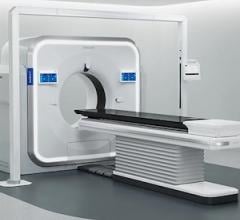
Computed tomography (CT) technology has developed tremendously in the past 30 years. Significant improvements in spatial and temporal resolution of current scanners allow for acquisition of high-resolution images of the small and fast-moving coronary arteries. In 2011, short of certain limitations, it is safe to say that coronary CT angiography (CTA) is probably the most accurate noninvasive imaging modality for assessment of coronary artery disease.
Utilization of cardiac CT in daily practice has increased exponentially since 2004, with the widespread introduction of the 64-slice scanners from various manufacturers. However, this increased utilization has surely resulted in increased radiation exposure to patients.
Image quality and diagnostic accuracy of CT is closely associated with the radiation dose used. Inadequate radiation dose often leads to high image noise, resulting in nondiagnostic studies. Even a minor decline in image quality may lead to diagnostic errors, given the small size of structures being studied.
Extensive debates have taken place in the scientific and news media lately regarding the risk of radiation exposure from CT studies, particularly cardiac CT angiography. This is mostly the result of limited knowledge of the complex relationship between ionizing radiation and future risk of cancer in the exposed subjects. The negative effects from radiation exposure can be divided into two major categories: deterministic effects seen immediately after large exposures, and stochastic effects seen long after exposure to lower doses. This effect is believed to be a result of damage to the DNA molecule.
Stochastic risks are thought to be cumulative, with increasing risk from repeated exposures. Much of the speculation regarding the stochastic effects of radiation comes from the atomic bomb survivors' data. Reports from various organizations, including the International Commission on Radiologic Protection, European academies of science and radiology, the 15-country radiation worker study, as well as various other mathematical models, have all reported different opinions about the risk of low-level radiation exposure. The background lifetime cancer risk in the general population, with the multitude of other risk factors not accounted for in most of these reports, makes an accurate assessment of the absolute risk of radiation exposure very difficult, if not impossible.
New Technology, Other Steps Help Reduce Dose
With the recent introduction of newer, wide detector range scanners (320-slice MDCT, etc.), we are observing reports of sub-second, whole-heart, high-resolution imaging of the coronary arteries with radiation exposure doses in the range of 2 mSV. However, since most centers across the country are not in possession of this latest technology, there are still a significant number of steps that can and should be taken to minimize radiation exposure to the patients.
It is well known that technical variables of scanning, including collimation, tube voltage and current, choice of pitch, field of view and scan length, affect the radiation dose to the patient. Patient variables include gender, body size and heart rate. The following are a few widely used approaches that are being applied to reduce this exposure in most centers around the country.
• ECG-correlated tube current modulation can reduce tube current and radiation exposure in cardiac systole, during which motion artifact often results in suboptimal and nondiagnostic image reconstructions. Using ECG gating, the tube current is turned up during mid- to late-diastole and is reduced by up to 80 percent for the remainder of the cardiac cycle. This has been shown to reduce radiation exposure by 30 to 40 percent on most 64-slice cardiac scanners.
• With the prospective gating technique - a reduction in effective pitch in addition to ECG tube modulation, where the current is turned on only during a single phase in diastole - a radiation dose reduction in the range of 60 to 70 percent has been observed. As mentioned above, reducing tube voltage, particularly in smaller subjects, is another effective way of reducing radiation dose. The limitation of this adjustment is increased noise levels. In smaller patients, this is not problematic. But increased noise does not make this technique useful in larger patients.
• A further dose reduction strategy is the accurate specification of the scan volume. It has been shown that a scan length reduction of 1 cm could result in a dose savings of close to 1 mSv.
• Attenuation-sensitive transverse and longitudinal dose modulation is another way the total exposure to the patient can be minimized. This tube current modulation technique has been shown to produce a substantial reduction in radiation dose with no significant decline in image quality.
As the best exposure reduction strategy would be not performing a test which exposes the patient to radiation to begin with, patient selection is of utmost importance. This selection starts with proper application of the appropriateness criteria published by the American College of Cardiology (ACC) and Radiological Society of North America (RSNA). It should include consideration of patient age, gender, clinical question and possible alternative modalities, which could answer this question with the similar level of accuracy with no radiation exposure.
Another important aspect of patient selection is exclusion of patients found to have extensive calcification on a low-dose calcium score prior to the full cardiac study. In these situations, a single photon emission computed tomography (SPECT), positron emission tomography (PET) or magnetic resonance imaging (MRI) perfusion study may be far more helpful in the workup and management of the patients.
Further research on the relationship between radiation dose, image quality and diagnostic accuracy of cardiac CT studies are warranted in order to establish useful protocols for high-quality coronary imaging while applying the As Low As Reasonably Achievable (ALARA) principle.
Dennis Sarabi, M.D., Ph.D., FACC, is a cardiologist at Hoag Memorial Hospital Presbyterian, Newport Beach, Calif.

 October 08, 2026