November 2, 2009 — High-risk melanoma patients who are treated with radiation after surgery have a significantly lower risk of their cancer returning to the lymph nodes (19 percent), compared to those patients who do not have radiation therapy (31 percent), according to the first randomized study of its kind presented at the plenary session, Nov. 2 at the 51st Annual Meeting of the American Society for Radiation Oncology (ASTRO).
"Results of this trial now confirm the place of radiation therapy in the management of patients who have high risk features following surgery for melanoma involving the lymph nodes," said Bryan Burmeister, M.D., lead author of the study and a radiation oncologist at Princess Alexandra Hospital in Brisbane, Australia.
"In some institutions, radiation treatment is routine protocol, while in others, the protocol has been either for patients to just be observed, or receive some type of adjuvant chemotherapy or immunotherapy. I encourage patients with melanoma to talk to their doctors about whether radiation should be added to their treatment plan."
When melanoma has spread from its original site to the lymph nodes, treatment typically involves surgically removing the cancer and the remaining lymph nodes in that region, a surgery called a lymphadenectomy. This multicenter, randomized trial examined the effects of external beam radiation treatment after surgery for melanoma patients who had a high risk of the cancer returning to the lymph nodes, referred to as regional recurrence.
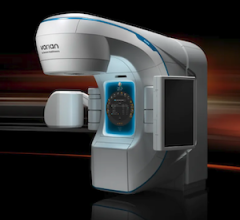
During external beam radiation therapy, a beam, or multiple beams, of radiation is directed through the skin to the cancer and the immediate surrounding area in order to destroy the main tumor and/or any nearby cancer cells that remain after surgery. The treatments are outpatient and generally painless, much like receiving an X-ray.
From March 2002 to September 2007, 217 patients from 16 cancer centers who had undergone a lymphadenectomy for melanoma cancer were randomized to receive radiation treatment within 12 weeks after surgery or be observed, with a median follow-up of 27 months.
Results of the study show there was significant improvement in the control of regional recurrence among patients who underwent radiation therapy, compared to the observation group.
For more information: www.rtanswers.org
 October 07, 2026