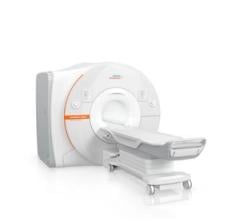
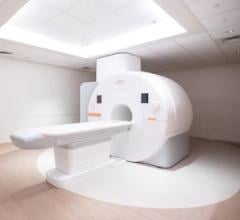
August 26, 2008 – Using a modified form of magnetic resonance imaging, doctors may now be able to test for early diagnosis of osteoarthritis (OA), scientists from New York reported today at the 236th National Meeting of the American Chemical Society.
The technique uses a modified form of magnetic resonance imaging to determine the concentration of a polymer known as glycosaminogycan (GAG) that holds lots of water and gives cartilage its tough, elastic properties. GAG also is a recognized biomarker for both osteoarthritis and degenerative disc disease — a common cause of back pain. A low concentration of GAG is known to correlate with the onset of osteoarthritis and other cartilage disorders.
The hydrogen atoms attached to the GAGs are marked in a way that makes them emit a signal that can be picked up by an MRI system to determine the concentration of GAG and assess cartilage health.
The test could also be used to improve existing cartilage-boosting drugs, as it is still difficult to gauge the efficacy of these drugs without a diagnostic tool to measure their effects on cartilage.
For more information: www.portal.acs.org

 November 04, 2026