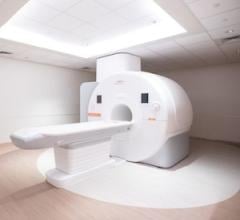
January 10, 2008 - Functional magnetic resonance imaging (fMRI) data uncovered a connection with the left posterior amygdala part of the brain, and overeating, according to researchers at the U.S. Department of Energy's Brookhaven National Laboratory.
The study, published online and appearing in the Feb. 15, 2008 issue of NeuroImage, specifically noted one region of the brain - the left posterior amygdala, which was activated less in the high-body mass index (BMI) subjects, while it was activated more in their thinner counterparts. This activation was turned "on" when study subjects reported feeling full. Subjects who had the highest scores on self-reports of hunger had the least activation in the left posterior amygdala.
Researchers studied the brain metabolism of 18 individuals with body mass BMI ranging from 20 (low/normal weight) to 29 (extremely overweight/borderline obese). Each participant swallowed a balloon, which was then filled with water, emptied, and refilled again at volumes that varied between 50 and 70 percent. During this process, the researchers used fMRI to scan the subjects' brains. Subjects were also asked throughout the study to describe their feelings of fullness. The higher their BMI, the lower their likelihood of saying they felt "full" when the balloon was inflated 70 percent.
The scientists also looked at a range of hormones that regulate the digestive system, to see whether they played a role in responding to feelings of fullness. Ghrelin, a hormone known to stimulate the appetite and cause short-term satiety, showed the most relevance. Researchers found that individuals who had greater increases in ghrelin levels after their stomachs were moderately full also had greater activation of the left amygdala.
The current study is part of a major focus of research at Brookhaven Lab on the neurobiology of eating disorders and obesity and their treatment.
For more information: www.bnl.gov

 October 07, 2026