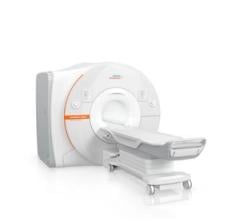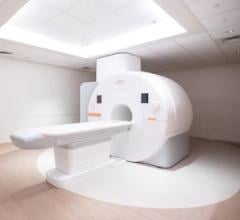
May 29, 2007 – Using magnetic resonance imaging (MRI), radiologists can predict the likelihood of the full or partial recovery of patients with acute spinal cord injuries (SCI) in 48 hours, according to a study published in the June issue of the journal Radiology.
“Our study demonstrates that the possibility and extent of neurological recovery after SCI can be predicted within 48 hours after injury by rigorous assessment of MR images,” said co-author Michael G. Fehlings, M.D., Ph.D., F.R.C.S.C., professor of neurosurgery at the University of Toronto and medical director at the Krembil Neuroscience Centre at Toronto Western Hospital. “In addition,” Dr. Fehlings said, “these findings could result in a more aggressive clinical strategy for patients who may appear to have a severe SCI but may indeed have the capacity for substantial neurological recovery.”
According to the National Spinal Cord Association, 250,000 to 400,000 people in the United States are living with SCI or spinal dysfunction. An estimated 7,800 new cases of SCI occur each year. Motor vehicle accidents account for 44 percent of these injuries in the U.S.
An initial MRI examination is typically performed on patients with SCI to determine the degree of neurological damage, as well as a possible prognosis. MRI findings may include cord hemorrhage, swelling, soft tissue and ligament injury, blood clots or herniated discs.
Dr. Fehlings’ study included 100 patients with traumatic cervical SCI. The group consisted of 79 men and 21 women between the ages of 17 and 96. Complete motor and sensory SCI was seen in 26 patients, incomplete SCI was seen in 51 patients, and 22 patients were neurologically intact upon admission. One patient could not be classified. The majority of the patients had been injured in motor vehicle accidents.
MRI exams were obtained within 24 to 48 hours of injury. The research team studied three measurable imaging parameters: maximum spinal cord compression (MSCC), maximum canal compromise (MCC) and length of lesion (LOL). They also looked at other factors, including bleeding within the spine, swelling and soft tissue injury.
The results showed that severity of MSCC, bleeding and cord swelling were key indicators of a poor prognosis after SCI. Conversely, the absence of these symptoms indicated a good chance for neurological recovery even if the injury otherwise appeared severe.
“Since the severity of spinal cord compression is a predictor of outcome after SCI, this study suggests that MRI may predict which patients would benefit the most from decompressive surgery,” Dr. Fehlings said.
He added that MRI should be performed on all patients with acute SCI whenever feasible as it provides information with prognostic value and serves to guide the clinician to optimize clinical care.
Source: RSNA Media Relations
Linda Brooks
1-630-590-7738
[email protected]

 November 04, 2026